

BERBERINE
What is berberine used for: uses, metabolism and well-being | BeeJoy
Berberine is a plant compound that has been studied for its relationship to metabolic well-being, glucose and lipid balance, and certain markers associated with cardiometabolic health.
For this reason, many people consider it a valuable addition to routines focused on metabolism, energy, nutrition, and more sustainable daily habits.
Simply put, when someone looks up what berberine is for, they usually want to understand if this supplement can support a more mindful routine around their body: how it processes energy, how it relates to food, and what signals appear in their daily life.
However, the fact that berberine has been studied in certain areas does not mean that it works the same for everyone or that it can replace medical advice, treatments, or medications.
At BeeJoy, we believe that talking about supplements shouldn’t feel confusing, exaggerated, or full of promises. Berberine might be interesting for some people, but its use makes more sense when understood within its context.
Visit Berberine for a broader view.
Common uses of berberine
The uses of berberineThey are often associated with metabolic well-being. Even so, it’s important to avoid oversimplifying this. Berberine doesn’t “fix” metabolism, nor does it produce results in isolation from daily habits.

Use within metabolic wellness routines
Daily support for habits linked to maintaining a healthy lifestyle.

Relationship with eating habits
It can complement balanced and mindful eating habits.

Interest in balance and healthy lifestyle
It is part of a comprehensive approach that includes nutrition, exercise, and stress management.
A more realistic way to understand it is as a supplement that some people consider part of a routine that also includes a balanced diet, exercise, rest, hydration, and professional guidance when appropriate.

Use within metabolic wellness routines
Research has explored its potential role in markers related to glucose, lipids, and other aspects of metabolic syndrome. Some recent analyses suggest favorable effects on certain metabolic parameters, although they also note that the quality and context of the evidence should be interpreted with caution.
Berberine can be part of a metabolic wellness routine, especially when combined with consistent habits. It should not be presented as a one-stop solution or a shortcut.
Relationship with eating habits
Many peopleThey are noticing changes in their energy levels, appetite, digestion, or relationship with food. In that context, berberine may appear as part of a broader conversation about habits. But it does not replace a nutritious diet, a stable routine, or paying attention to your body’s signals.
What have I been noticing lately regarding my energy, appetite, digestion, or the way I eat?
Rather than thinking, “What supplement do I need?”, it can be useful to ask yourself that question. It opens up a more human connection to well-being.
Interest in balance and healthy lifestyle
Another reason berberine has become so sought after is that many people don’t just want to “improve their numbers.” They want to feel more grounded, clearer, and less disconnected from their bodies.
That interest is valid, but it requires healthy expectations. Berberine can be a tool within a routine, not the center of the routine. The focus remains the person: their habits, their environment, their rest, their diet, and their individual health.
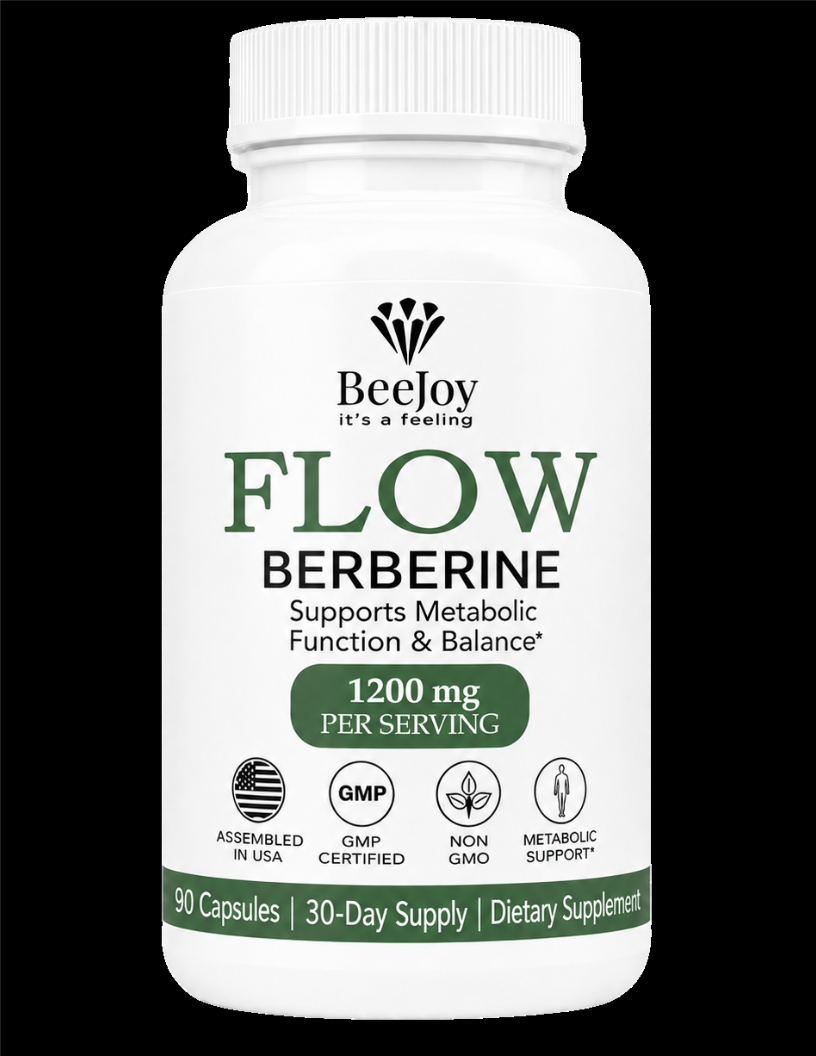
Berberine glucose and metabolism
Berberine has been studied for its possible relationship with glucose metabolism and other metabolic markers. However, it should not be used as a replacement for medications, treatments, or the advice of a healthcare professional.
When to consult a health professional
It is advisable to consult a professional before taking berberine if the person:

Take medication for glucose.

Use anticoagulants.

Take blood pressure medication.

You have diabetes, prediabetes, or another metabolic condition.

You are pregnant or breastfeeding.

Tiene sensibilidad digestiva

Use several supplements at the same time.
Berberine and weight: how to approach this quest without promises
Many people turn to berberine because they’ve heard about it in relation to weight loss. On social media, it’s even been compared to weight-loss medications, but that comparison can create unrealistic expectations.
The National Center for Complementary and Integrative Health explains that berberine is being studied for its effects on diabetes and cardiometabolic risk factors, and that it has recently become popular as a potential weight-loss aid. However, this popularity does not mean it should be presented as a weight-loss solution.
Why do many people associate berberine with weight
The connection stems from its relationship with metabolic issues. Since weight can be influenced by glucose, lipids, appetite, energy, sleep, stress, and daily habits, many people associate berberine with body composition goals.

Feeding
Motion
Rest
Stress
Hormonal health
Medications
Personal history
Emotional context
Medical conditions

How to understand berberine within an wellness routine
The question is not only What is berberine used for? but what place it would have within a real routine. A supplement can be useful when it serves a clear purpose. Not when it’s used out of anxiety, pressure to conform to certain aesthetic standards, or the idea that a single capsule will solve a problem that requires more context.

Clarity
Know why you are taking it. Get informed using reliable, evidence-based sources.

Prudence
Review personal conditions, medications and individual sensitivity.

Consistency
Understand that no supplement replaces sustainable daily habits. The key lies in the daily routine.
Discover the BeeJoy berberine product.
And also how it can accompany you within a wellness routine that is truly yours—fully conscious and genuine.
Plant-based
High-quality plant-based berberine.
High absorption
Formula designed for improved bioavailability.
BeeJoy Commitment
Quality, traceability, and transparency in every batch.
What to know before taking berberine
Before taking berberine, it’s advisable to consider your personal circumstances. Just because a supplement is plant-based doesn’t mean it’s suitable for everyone.
Berberine can cause digestive discomfort in some people, such as nausea, upset stomach, constipation, or diarrhea. It can also interact with medications, so it’s important to consult a healthcare professional if you have any medical conditions or are currently undergoing treatment.
People taking medication
People taking medication should be especially careful. This applies particularly to treatments related to glucose, blood pressure, anticoagulants, or other medications used continuously.
Medical conditions and professional supervision
If you have diabetes, prediabetes, cardiovascular disease, liver condition, significant digestive problems, or any other medical diagnosis, it is best to consult a doctor before incorporating berberine.
Does it make sense for my particular situation?
Pregnancy, breastfeeding, or individual sensitivity
During pregnancy or breastfeeding, berberine should not be used without professional guidance. Some medical sources also recommend caution in these cases due to potential risks and interactions.
It’s also important to consider individual tolerance. Some people may experience digestive discomfort, especially at first.
Frequently asked questions about what berberine is used for
Clear and responsible answers to address your questions about this ingredient.
What is berberine used for?
Berberine is commonly used as a supplement in routines related to metabolic wellness, glucose, lipids, and overall balance. It has been studied in these areas, but it should not be considered a medication or a quick fix.
What common uses are associated with berberine?
The most common uses of berberine are associated with metabolism, glucose balance, cardiometabolic wellness, eating habits, and healthy lifestyle routines.
Does berberine help with weight loss?
Berberine has become popular due to its association with metabolism and weight, but it should not be presented as a weight-loss product. It can be part of a wellness routine, but weight changes depend on many factors.
Does berberine help with glucose?
Berberine has been studied for its possible relationship with glucose metabolism. However, it does not replace medication or medical supervision, especially in people with diabetes, prediabetes, or those taking other medications.
Does berberine replace medications?
No. Berberine does not replace medications, treatments, or the advice of a healthcare professional.
What precautions should be taken before taking berberine?
It’s advisable to review medications, medical conditions, pregnancy, breastfeeding, digestive sensitivities, and the use of other supplements. If in doubt, it’s best to consult a healthcare professional.
Understanding what berberine is used for is not about memorizing a list of benefits. It is about putting the information into context: what has been studied, what can be stated cautiously, and which expectations should be avoided.
Berberine can be part of a metabolic wellness routine for some people, especially when combined with consistent habits. However, its true value lies not in promising rapid changes, but in being mindfully integrated into a lifestyle that also prioritizes nutrition, rest, physical activity, and personal health.