

MAGNESIUM GLYCINATE
What is magnesium glycinate used for and how to understand its use | Beejoy
Magnesium glycinate has become one of the most sought-after forms of magnesium by people who want to take care of their rest, feel more balanced during the day, or better support physical recovery.
But to understand its purpose, it’s best to start with a simple idea: it’s not a magic bullet or a substitute for medical treatment. It’s a form of magnesium that can be part of a more comprehensive wellness routine.
Magnesium plays a role in important bodily functions, including muscle and nerve function, glucose regulation, blood pressure control, and the formation of proteins, bone, and DNA. Therefore, when a person does not consume enough magnesium or has specific needs, a healthcare professional may recommend increasing their intake through food or supplements.
Visit Magnesium Glycinate for a broader perspective.
Common uses of magnesium glycinate
Magnesium glycinate is commonly used to support magnesium intake and accompany routines related to rest, relaxation, general well-being, and muscle function.

Rest
It can complement bedtime routines focused on rest.

Relaxation
Many people associate it with a pause, recovery, and daily well-being.

General well-being
It can be part of a more comprehensive wellness routine.
In practice, many people become interested in it when they feel their body is running on autopilot: restless nights, physical tension, accumulated fatigue, daily stress, or difficulty winding down at the end of the day. In this context, magnesium glycinate is often seen as a gentle tool within a broader routine.
This doesn’t mean everyone will experience the same effect. Rest, calmness, and muscle recovery also depend on factors such as diet, sleep, hydration, training, stress, caffeine intake, screen time, schedules, and overall health.
Therefore, the best way to understand it is not as “something that changes everything”, but as a possible support to give the body better balance conditions.
Use within general wellness routines
Many people incorporate magnesium glycinate into their daily routine to take better care of their well-being. This isn’t necessarily because they have a specific ailment, but because they want to support their bodies with more stable habits.
Magnesium is also found naturally in foods such as legumes, nuts, seeds, whole grains, and leafy green vegetables. Therefore, before considering supplementation, it’s advisable to examine the quality of your daily diet.
Relationship with rest and daily balance
One of the most common reasons people seek out magnesium glycinate is for rest. Some incorporate it into their nighttime routine because they associate magnesium and glycine with relaxation, rest, and recovery.
To put it responsibly:magnesium glycinate is not a sleeping pill. It should not be presented as a treatment for insomnia or as an immediate solution for sleep problems. However, it can complement nighttime habits that help the body wind down: eating a light dinner, reducing screen time, maintaining consistent schedules, breathing calmly, and creating a bedtime routine.
Interest in muscle function and relaxation
Magnesium plays a role in muscle and nerve function. For this reason, it is associated with recovery after exercise or physical strain, but it does not replace warming up, hydration, or adequate rest.
People experiencing tension often take an interest in it. However, cramps have multiple causes, and evidence suggests it may not reduce common leg cramps in the general population.
How to avoid unrealistic expectations
A common mistake is expecting magnesium glycinate to compensate for a chaotic routine. If you are sleep-deprived and dealing with dehydration and constant stress, no single supplement should be expected to shoulder the entire burden.
“More” doesn’t always mean “better.” Taking high amounts of magnesium can cause digestive discomfort such as nausea, diarrhea, or cramps.
The role of healthy habits and a balanced routine
For the body to recover better, it needs repetition, not extremes. Sleeping on a more stable schedule, consuming enough protein, including minerals in your diet, moving intelligently, and allowing for real rest can make more of a difference than seeking an isolated solution.
In this context, magnesium glycinate can be integrated as a simple and consistent support. It doesn’t replace your routine: it complements it.

How to incorporate magnesium glycinate into a wellness routine?
Conscious use is the foundation for getting the most out of magnesium glycinate.
Am I looking to improve the quality of my sleep?
Is my goal to facilitate my body’s physical recovery?
Do I already have natural sources of this mineral in my daily diet?
Are there any medical conditions or medications I should consider?
Am I trying to get the supplement to solve something that requires an adjustment in my habits?
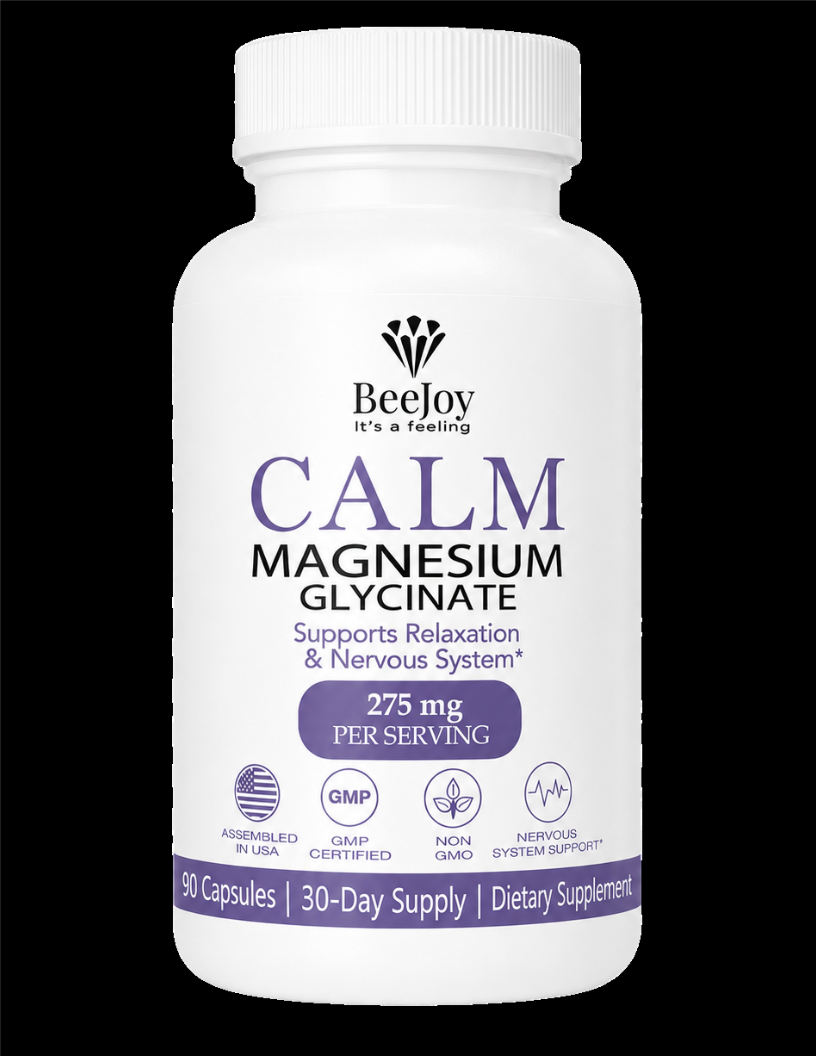
Discover BeeJoy Calm
BeeJoy Calm was born from this philosophy, designed to complement daily recovery and balance routines through a mindful approach. We do not seek to place undue stress on the body, but rather to provide the right environment for it to restore its natural balance.
DISCOVER BEEJOY CALM
Considerations and warnings regarding the use of magnesium glycinate
While magnesium glycinate is generally well-tolerated, it should not be used indiscriminately. The safety of this supplement is closely linked to an individual’s health profile, the dosage of elemental magnesium, and potential interactions with other medications.
According to the NIH Office of Dietary Supplements, the maximum daily intake of magnesium from supplements and medications for adults is 350 mg. It is important to note that this figure does not include magnesium obtained from natural food sources.
Interactions with drug treatments
Magnesium can affect the effectiveness of certain treatments, such as bisphosphonates used for osteoporosis and some types of antibiotics.
Kidney health and professional support
Kidney function is key, as the kidneys are responsible for eliminating excess of this mineral. Therefore, people with kidney disease must take extra precautions, as their filtration capacity may be compromised.
Likewise, professional advice is essential in the presence of chronic fatigue, muscle weakness, palpitations, recurring cramps, persistent anxiety, or severe sleep disorders.
Special stages: pregnancy and breastfeeding
During pregnancy or breastfeeding, as well as in cases of high digestive sensitivity, supplements should not be used without medical supervision. Although considered a gentle option, the biological response varies from person to person.
Note: This information is for educational purposes and does not replace the diagnosis or advice of a healthcare professional.
Although magnesium glycinate is generally considered a well-tolerated form, not everyone should take it without guidance. Safety depends on individual circumstances, the amount of elemental magnesium, other supplements, medications, and health conditions.

Frequently asked questions about the uses of magnesium glycinate
Clear and responsible answers to address your questions about this ingredient.
What is magnesium glycinate used for?
Magnesium glycinate is primarily used to support magnesium intake. It is commonly used in routines related to general well-being, rest, relaxation, and muscle function. It should not be considered a cure or a substitute for medical treatment.
What common uses are associated with magnesium glycinate?
It is associated with rest routines, daily balance, physical recovery, muscle function, and nervous system well-being. It may also be recommended when a person needs to increase their magnesium intake, always depending on their individual circumstances.
Does magnesium glycinate help with sleep?
It can complement a nighttime sleep routine, but it’s not a sleep aid. If you experience frequent insomnia or persistent sleep problems, it’s advisable to consult a healthcare professional.
Does magnesium glycinate help with anxiety?
It should not be presented as a treatment for anxiety. Some people incorporate it into relaxation routines because magnesium plays a role in normal nerve function, but anxiety requires professional evaluation when it is intense, frequent, or affects daily life.
Does magnesium glycinate replace medications?
No. Magnesium glycinate is not a substitute for medication, treatment, or medical care. If you are taking medication or have a diagnosed condition, consult your doctor before taking supplements.
What precautions should be taken before taking magnesium glycinate?
Check your elemental magnesium intake, avoid exceeding the recommendations, consider possible drug interactions, and consult a healthcare professional if you are pregnant, breastfeeding, have kidney disease, are taking medication, or have a medical condition.
