

SAFFRON
Benefits of saffron and how to understand them | Beejoy
Sometimes, well-being doesn’t begin with a big change. It begins with something more subtle: sleeping a little better, feeling less stressed, having fewer impulsive cravings, or getting through the day with more emotional balance.
The benefits of saffron are primarily related to how the body responds to stress, regulates mood, manages appetite, and supports mental clarity. For this reason, in recent years, saffron extract has gained popularity as a natural aid within emotional wellness routines.
In simple terms, saffron can support the body on several fronts: it can contribute to the balance of neurotransmitters related to mood, help modulate the stress response, promote better sleep quality, influence cravings, and provide antioxidant compounds that help protect cells against oxidative stress.
Potential benefits of saffron
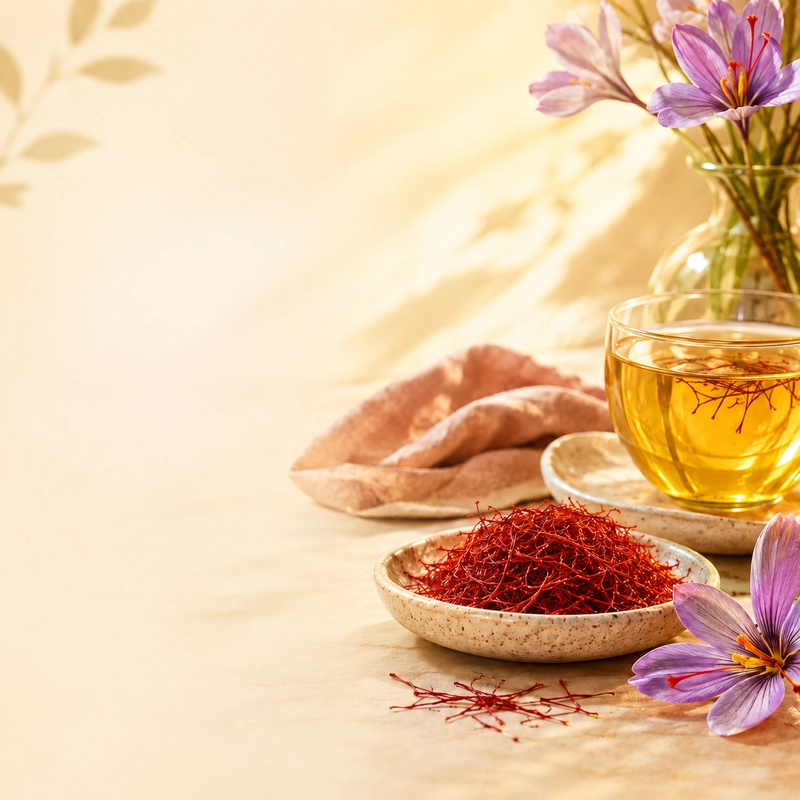
Saffron is studied for its natural compounds such as crocin, crocetin, safranal, and picocrocin. These compounds have been linked to antioxidant processes, emotional response, and nervous system function.
This doesn’t mean that saffron “treats” anxiety, depression, insomnia, or weight problems. It means that it can play a supportive role in certain areas of well-being, especially when used judiciously and as part of a healthy routine.
Saffron and emotional well-being
One of the most sought-after benefits of saffron is related to emotional well-being. Many people turn to this ingredient when they experience stress, mental fatigue, irritability, low motivation, or a feeling of being emotionally overwhelmed.
It’s not always about seeking euphoria. Sometimes, the intention is much simpler: to feel less overwhelmed, more stable, and with a little more inner peace.
Mood and internal balance
Saffron has been studied for its possible relationship with neurotransmitters associated with mood, such as serotonin and dopamine. This is one of the reasons why it frequently comes up in conversations about emotional balance.
Everyday stress, anxiety, and mental calm
Stress sometimes manifests as constant tension, light sleep, mental fatigue, cravings, irritability, or difficulty switching off. Some people use saffron as part of a routine aimed at promoting mental calm and emotional balance.
What has been studied in relation to fluoxetine
One of the most interesting things about saffron is that some studies have compared it to antidepressants like fluoxetine in cases of mild to moderate depression. If a person is taking antidepressants, anti-anxiety medication, or any other mental health medication, they should consult with their doctor before incorporating saffron supplements.

Saffron, appetite and habits
Saffron has also been studied for its potential link to appetite and cravings. Some of its natural compounds, such as crocin and safranal, could influence neurotransmitters associated with mood and satiety, including serotonin.
In fact, some studies have observed that certain people who took saffron extract reported less snacking between meals and reduced feelings of hunger.
Even so, it should not be viewed as an appetite suppressant or a standalone weight-loss solution, but rather as a potential aid within a more comprehensive routine.
The origin of cravings
Cravings often arise from more than just physical hunger. In this context, saffron extract could support a more mindful relationship with appetite if factors such as the following are identified:
Stress and mental workload
Fatigue or lack of sleep
Need for emotional reward
Saffron and weight
The relationship between saffron and weight often attracts many searches, but also many unrealistic expectations.

Benefits of saffron within a wellness routine
In addition to mood, appetite, and weight, saffron is also being studied for its relationship with sleep, mental fatigue, antioxidants, memory, and cognitive function. These benefits should be presented as areas of research and potential support, not as absolute statements.
Sleep and rest
Saffron has been studied for its possible relationship with sleep quality and rest. This line of research is interesting because sleep influences almost everything: mood, appetite, concentration, energy, and emotional regulation. However, it should not be presented as a treatment for insomnia. It can complement a more mindful nighttime routine, but it does not replace medical evaluation if there are persistent sleep problems.
Mental fatigue, motivation, and clarity
Many people seek to regain clarity, motivation, and a more organized sense of mental energy. Saffron may fit into this conversation because its relationship with mood, rest, and everyday stress can influence how mental fatigue is perceived.
Antioxidants, cognition and memory
Saffron contains antioxidant compounds that have been studied for their possible relationship with cognitive function and protection against oxidative stress. Saffron may be interesting for a mental clarity routine, but it should not be sold as a solution for memory or as a disease prevention.
How to integrate these benefits into a wellness routine
Understanding the benefits of saffron requires a holistic perspective, avoiding the analysis of its effects in isolation. Our well-being is characterized by constant interconnectedness: mood impacts appetite, sleep quality shapes our motivation, and stress often manifests as cravings.
In this scenario, saffron makes sense as an ally for those seeking:

Prioritize restorative rest

Supporting mindful nutrition

Maintain daily physical activity

Reconnect with nature

Set healthy daily boundaries.
What you should know before consuming saffron
In culinary uses, saffron is typically used as a spice. However, when we talk about saffron extract in supplement form, the concentration can be higher, and it’s important to pay attention to the product’s quality, the dosage, each person’s health status, and potential interactions with medications.
Saffron should not be seen as a replacement for medical treatments, antidepressants, anti-anxiety medication, or professional guidance. If you are pregnant, breastfeeding, taking medication, or have a medical condition, it is best to consult a healthcare professional before incorporating it into your routine.
It’s also advisable to be especially careful if you have a history of mood disorders, bleeding problems, kidney disease, or if you are undergoing any medical treatment. In these cases, a healthcare professional can help you decide if saffron is right for you.
This content is for informational purposes and does not replace the guidance of a healthcare professional.

Frequently asked questions about the benefits of saffron
What are the benefits of saffron?
The potential benefits of saffron are related to emotional well-being, appetite, cravings, sleep, mental clarity, antioxidants, and daily balance. These should not be interpreted as absolute guarantees or as a medical treatment.
What potential benefits are associated with saffron?
It is associated with mood support, emotional balance, satiety, rest, motivation, mental fatigue, and cognitive function. The evidence varies depending on the benefit, the type of extract, and the individual’s context.
Does saffron help with anxiety?
Saffron has been studied for its possible relationship with mood, daily stress, and mental calm. However, it should not be considered a treatment for anxiety or a replacement for therapy, medication, or professional care.
Does saffron help with appetite or cravings?
Some studies have explored saffron extract in relation to appetite, satiety, and snacking. It may support healthy eating habits in some people, but it is not a substitute for a balanced diet and does not work the same for everyone.
Does saffron help with weight loss?
Saffron should not be considered a weight-loss product. It can help with appetite, cravings, and emotional balance, but weight management depends on many factors.
Does saffron replace medication?
No. Saffron is not a substitute for medication, antidepressants, anti-anxiety medication, therapy, or medical care. If you are taking medication or have a medical condition, consult a healthcare professional before using supplements.
What precautions should be taken before taking saffron?
Consult a healthcare professional if you are pregnant, breastfeeding, taking medication, have a medical condition, bipolar disorder, bleeding problems, kidney disease, or are under medical treatment. It is also advisable to avoid high doses without supervision.
The benefits of saffron are best understood when viewed as part of a connected system: mood, stress, sleep, appetite, mental clarity, and daily habits. They don’t act in isolation. Often, when one of these areas improves, the others can also feel a little more balanced.
In simple terms, saffron can support the body on several fronts: it can support emotional balance, help modulate the stress response, promote a better relationship with cravings, provide antioxidants, and be part of a routine focused on mental well-being.
Its value lies not in promising radical change, but in supporting small processes that greatly influence how you feel throughout the day. Because sometimes feeling better doesn’t begin with doing everything perfectly, but with giving your body and mind a little more support, consistency, and calm.
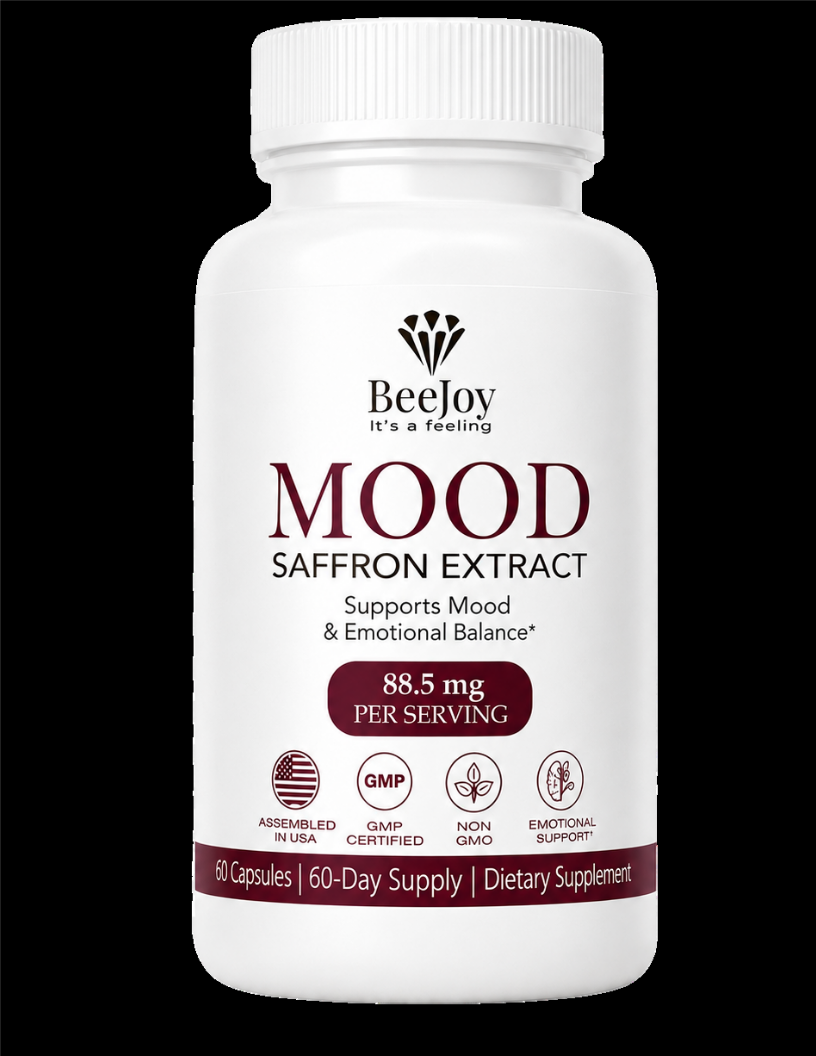
«BeeJoy MOODwas born from this idea: conscious, clear, and responsible emotional well-being. A way to support you in your daily life so you can feel more like yourself again».