

MAGNESIUM GLYCINATE
Benefits of magnesium glycinate and how to understand them | Beejoy
Magnesium glycinate is often sought when the body begins to feel tense: difficulty sleeping, the mind does not slow down, irritability appears, there is accumulated stress, or the muscles feel heavy after intense days.
Many people incorporate it into their routine to complement rest, relaxation, and daily well-being. It’s not about shutting down the body or promising instant calm, but about supporting it when it needs to regain balance.
One of its most valued benefits is its ability to promote a sense of calm. Magnesium is linked to normal muscle and nervous system function, while glycine is often associated with calming routines and good digestive tolerance.
In other words, magnesium glycinate can be a good option if you’re looking to support sleep, better manage daily stress, relax your body, or cope with periods of high stress. It doesn’t replace medication or medical care, but it can be part of a more mindful wellness routine.
Potential benefits of magnesium glycinate
These are often related to rest, relaxation, muscle function, nervous system well-being, and digestive tolerance. However, the response can vary depending on the individual, their diet, stress level, sleep, medications, and overall health.
A more honest way to look at it is this: magnesium glycinate can help create better conditions for the body to feel more regulated, but it does not replace the foundation of a healthy lifestyle.
Accompany relaxation and daily balance
Magnesium glycinate can support daily relaxation and balance routines, especially when it is part of broader habits such as breathing calmly, reducing nighttime stimuli, limiting caffeine late in the day, and maintaining more stable sleep schedules.
Support rest routines
Magnesium glycinate is often associated with rest. Many people incorporate it into their nighttime routine because they feel it helps them enter a more natural state of relaxation, preparing their bodies for sleep and waking up feeling more refreshed.
May contribute to muscle function
Magnesium helps the body relax and maintain good communication between nerves and muscles. It can be especially helpful if you spend many hours sitting, exercise, or accumulate tension due to stress.
Soft option for some people
It is generally perceived as being better tolerated by the digestive system than other forms of magnesium. Some people may experience digestive discomfort, especially if they take high doses, combine several supplements, or have individual sensitivities.
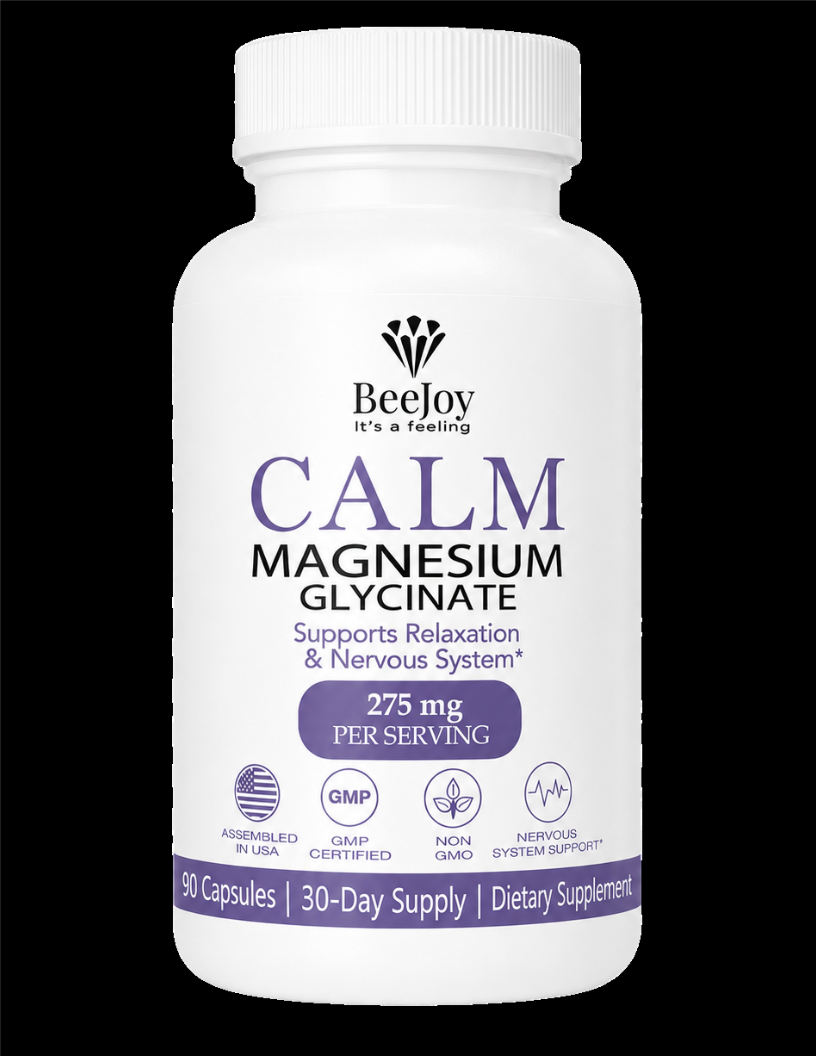
Magnesium Glycinate and General Wellbeing
Overall well-being isn’t built on urgency. It’s built on small, repeatable habits: sleeping better, moving with intention, eating a diet rich in minerals, staying hydrated, reducing excessive stimulation, and listening to your body’s signals.
Within this framework, magnesium glycinate can support a more mindful routine. Not because it does everything on its own, but because magnesium is involved in essential bodily functions, such as energy, nerve function, muscle function, and bone maintenance.
It is also important to remember that magnesium does not come only from supplements. It is found in foods such as leafy green vegetables, seeds, nuts, legumes, and whole grains.
MedlinePlusIt notes that magnesium is essential for human nutrition and is present in foods such as green vegetables, fruits, nuts, and other plant-based foods.
Magnesium Glycinate, rest and relaxation
If there’s one benefit for which magnesium glycinate has become especially popular, it’s rest.
Many people aren’t looking to “fall asleep instantly”; they’re looking for something more subtle: to stop feeling rushed, relax their bodies, release the day’s tension, and enter a more peaceful night. That’s where magnesium glycinate often finds its place in a nighttime routine.
Glycine, on its own, has also been studied for its relationship to sleep and recovery, while magnesium is involved in processes of the nervous system. Therefore, the combination is commonly associated with relaxation routines.
Rest as a whole
Even so, better sleep doesn’t depend solely on a supplement. If someone takes magnesium glycinate but continues to sleep four hours, use screens late into the night, eat heavy meals, and live under constant stress, the result will likely be limited.
BeeJoyviews rest as a complete experience: not just closing one’s eyes, but allowing the body to feel that it can finally slow down.

H2 Magnesium glycinate and muscle function
Magnesium plays an important role in muscle and nerve function. Therefore, magnesium glycinate is often of interest to active people, those with body tension, or those who feel stress accumulating in their neck, jaw, back, or legs.
In practice, this benefit is best understood when viewed as part of recovery. The body needs minerals, but it also needs sleep, protein, hydration, mobility, and proper rest.
Magnesium glycinate can be used in routines related to:

Muscle relaxation

Recovery after physical activity

Physical tension associated with stress

Neuromuscular well-being

Sensation of stiffness after intense days
Benefits of magnesium glycinate within a wellness routine
The greatest value of magnesium glycinate appears when it is understood as part of a routine, not as a shortcut.
It can accompany moments of pause.
It can be part of a more mindful night.
It can support physical recovery.
It can be incorporated into wellness routines for people who want to feel less overwhelmed and more connected to their bodies.
What you should know before taking magnesium glycinate
Although magnesium glycinate is generally considered a well-tolerated form, not everyone should take it without guidance.
For adults, the NIH recommends a maximum daily intake of 350 mg of magnesium from supplements or medications. This amount does not include magnesium from food. Taking too much magnesium from supplements can cause digestive discomfort such as diarrhea, nausea, or cramps.
Magnesium can also interact with certain medications, such as some antibiotics and bisphosphonates, so people who take medication regularly should consult with a health professional.It’s advisable to review your personal circumstances. It’s especially important to consult a healthcare professional if you are pregnant or breastfeeding, taking medication, have a diagnosed medical condition, or have a history of kidney problems.
EThis content is for informational purposes only and is not a substitute for professional medical advice. If you are pregnant, breastfeeding, taking medication, or have a medical condition, consult your doctor before using supplements.

Frequently asked questions about the benefits of magnesium glycinate
What are the benefits of magnesium glycinate?
The potential benefits of magnesium glycinate are often associated with rest, relaxation, muscle function, nervous system well-being, and digestive tolerance. It doesn’t work the same for everyone and should be understood as part of a wellness routine, not a one-stop solution.
What potential benefits are associated with magnesium glycinate?
It is commonly associated with rest routines, managing daily stress, muscle relaxation, physical recovery, and daily balance. The evidence varies depending on the benefit and the individual’s context.
Does magnesium glycinate help you sleep?
It can complement a nighttime routine focused on rest, especially when combined with good sleep habits. It is not a sleep aid and should not be presented as a treatment for insomnia.
Does magnesium glycinate help with anxiety?
It should not be presented as a treatment for anxiety. Some people incorporate it into relaxation routines because magnesium plays a role in normal nerve function, but severe or persistent anxiety requires professional guidance.
Is magnesium glycinate good for muscles?
Magnesium plays a role in muscle and nerve function, so magnesium glycinate can be used to support recovery routines, muscle relaxation, and overall physical well-being. It should not be claimed to eliminate cramps or spasms.
Does magnesium glycinate replace medications?
No. Magnesium glycinate is not a substitute for medication, treatment, or medical care. If you are taking medication or have a medical condition, consult your doctor before using supplements.
What precautions should I consider before taking magnesium glycinate?
It is advisable to check the amount of elemental magnesium, avoid exceeding recommendations, consider interactions with medications, and consult with a professional if you are pregnant, breastfeeding, have kidney disease, take medications, or have a medical condition.
The benefits of magnesium glycinate are best understood when viewed not as a quick fix, but as a potential support within a more mindful routine. It can aid rest, relaxation, muscle function, and those moments when the body needs to slow down after intense days.
Even so, no supplement can replace the essentials: getting enough sleep, eating well, moving, staying hydrated, and listening to your body’s signals. Magnesium glycinate can help, but the foundation of well-being still lies in the habits you repeat every day.
«At BeeJoy, we believe that feeling good shouldn’t feel forced. Sometimes it starts with a pause, a quieter night, and a gentler way of supporting your body».