

BERBERINE
Berberine dosage: how much to take and how to use it responsibly | Beejoy
Berberine dosage can depend on individual factors, the product used, and personal context. The main point is to understand berberine dosage, what factors are worth considering, what mistakes to avoid, and when to consult with a healthcare professional before using this supplement.
Although many searches mention a “recommended berberine dosage,” the most responsible approach is to understand that there is no universal amount for everyone.
In studies and supplements, ranges between 500 mg and 1,500 mg per day are commonly used, often split into one, two, or three daily servings, depending on the product concentration and individual tolerance.

At BeeJoy, we believe berberine can be part of a metabolic wellness routine for some people, but its use requires context: nutrition, rest, gut microbiota, medications, personal goals, and your body’s unique signals.
How much berberine to take
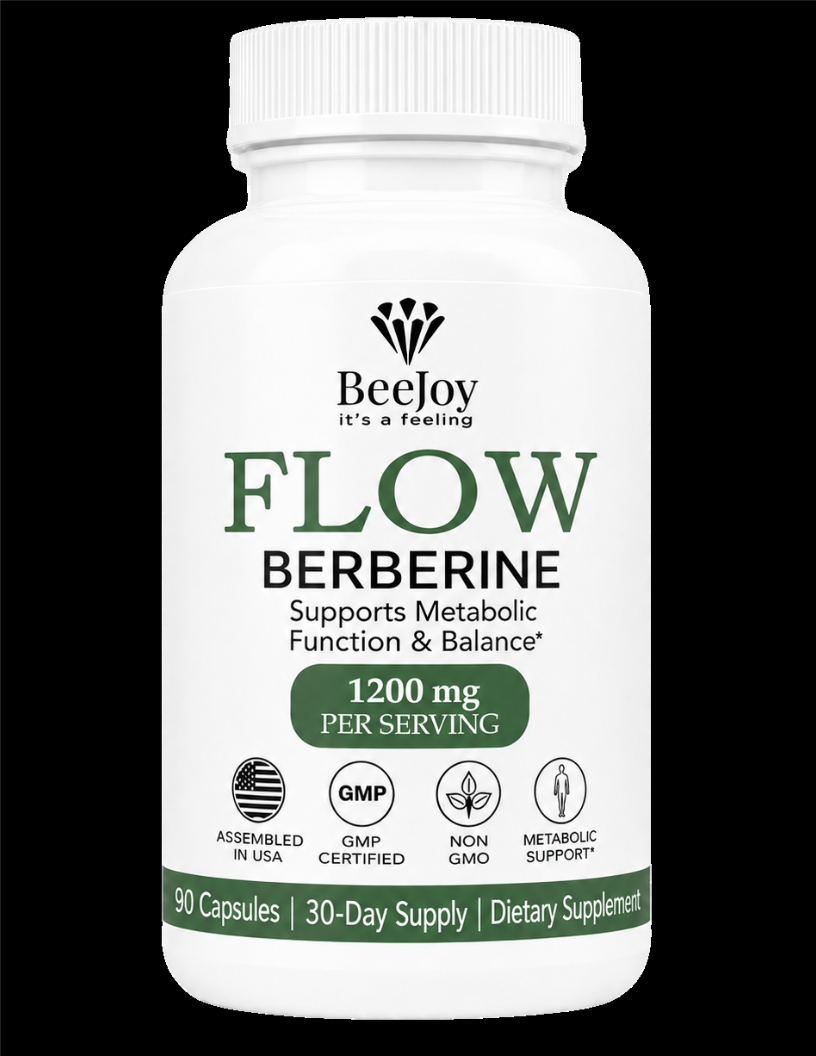
The most common way it is presented is this: many products and studies work with quantities of 500 mg per serving, one to three times a day, up to a common total of 1,500 mg daily.
This does not mean everyone should take 1,500 mg. Higher amounts do not always mean better results. In fact, starting with a lower amount helps to observe tolerance. The idea is not to chase the highest dose, but to understand what amount makes sense according to the product, routine, individual response, and professional guidance when applicable.
Practical reference of use
| Educational context | Commonly used amount |
|---|---|
| Progressive start | 500 mg daily |
| Divided use | 500 mg twice daily |
| Frequent range in studies and supplements | 500 to 1,500 mg daily |
| Commonly mentioned schedule | 500 mg, 2 to 3 times daily |
Factors that can influence berberine dosage
Berberine dosage should not be determined simply by looking at a number online. Several factors can affect how an individual uses or tolerates it.

Supplement format and concentration
Not all berberine supplements share the same concentration. Before deciding how many capsules to take, it is important to review how many milligrams each serving provides, what ingredients are included, the suggested usage method, and any warnings listed on the label. A clear formula facilitates a more conscious and responsible use.

Individual tolerance
Tolerance can vary: some people take berberine without discomfort, while others experience digestive upset even with moderate doses. Therefore, it is usually recommended to start with a smaller amount, observe your body’s response, and consult if symptoms such as nausea, diarrhea, constipation, cramping, dizziness, or unusual fatigue occur.

Medications, medical conditions, and professional supervision
Berberine can interact with medications, particularly those related to blood glucose, blood pressure, blood thinners, post-transplant treatments, or liver metabolism. It also requires caution for individuals with diabetes, prediabetes, cardiovascular disease, liver conditions, digestive sensitivity, or active medical diagnoses. The dosage listed on the label is not always suitable for everyone; thus, professional guidance is key.

How to take berberine: what to consider before using it
Understanding how to take berberine is just as important as knowing how much to take. The way you use it can influence tolerance, consistency, and safety.

Read the product label
Before taking berberine, it is advisable to carefully review the label: amount per serving, ingredients, directions for use, warnings, and contraindications. If the information is unclear, it is best to pause and seek guidance before using the supplement.
Avoid combining supplements without guidance
It is best to avoid combining berberine with multiple metabolic supplements without professional guidance. The combination of ingredients can increase digestive discomfort or interfere with medications. If you already take other supplements, consult a healthcare provider before adding berberine.

Do not use dosage information as a substitute for medical advice
A dosage found online does not replace a medical recommendation, especially if you intend to use berberine for concerns related to glucose, weight, cholesterol, PCOS, fatty liver, or other health conditions. Berberine can be part of a wellness routine, but it should not substitute medications, treatments, or professional care.

Taking Berberine with food or on an empty stomach
In practice, many guidelines suggest taking it with meals or shortly before eating, primarily to improve digestive tolerance and support the moment when the body processes nutrients.
From a practical standpoint, some people take it 15 to 20 minutes before meals, provided the product allows it and they tolerate it well. Others prefer taking it alongside food to prevent stomach discomfort.
Golden rule: You shouldn’t force taking it on an empty stomach if your body responds poorly. In wellness, consistency relies on keeping the routine sustainable.
A key aspect: the gut microbiota
Research on berberine and the gut microbiome continues to evolve, exploring its connection with digestive and metabolic processes. In everyday terms, maintaining a balanced diet, adequate fiber intake, proper hydration, and healthy digestive habits can better support any supplement routine.

Berberine dosage and wellness goals
Berberine dosage should not be chosen out of anxiety for quick results. Some people look into it for metabolism, glucose, energy, appetite, weight, or cardiometabolic well-being. However, these goals depend on many factors.
Evidence has explored berberine in areas like glucose, insulin resistance, and lipids, but results can vary and should not be interpreted as an individual guarantee.
At BeeJoy, we avoid presenting berberine as a solution for weight loss, controlling diseases, or replacing medications. We prefer to say it clearly: it can be part of a metabolic wellness routine for some people, especially when accompanied by consistent habits.
What to know before taking berberine
Before taking berberine, it is essential to look at the full picture. Just because a supplement is plant-derived does not mean it is suitable for everyone.
People taking medications
Individuals using medications should consult a healthcare provider before taking berberine. This applies especially to treatments for blood glucose, blood pressure, blood thinners, immunosuppressants, post-transplant medications, or long-term prescription drugs.

Pregnancy, breastfeeding, or medical conditions
During pregnancy and breastfeeding, berberine should be avoided unless specifically indicated by a physician. It may not be safe during this period and must not be administered to infants due to concerns related to bilirubin levels in newborns.
Signs of low tolerance or discomfort
Low tolerance to berberine can present as nausea, diarrhea, constipation, cramping, abdominal bloating, dizziness, weakness, or persistent discomfort. If symptoms are severe, concerning, or if you are taking medications, the most responsible action is to discontinue the supplement and consult a healthcare professional.
Common mistakes when searching for berberine dosage

One of the most common mistakes is assuming that “more” means “better”. Taking 1,500 mg all at once is not the same as splitting the amount throughout the day. Many guidelines suggest dividing the dose into two or three servings, which can help improve tolerance.
Another mistake is copying someone else’s routine. What one person tolerates well may not work the same way for another body.
It is also common to take berberine without reviewing current medications, use it alongside numerous supplements, or expect it to compensate for a poor diet. Berberine can complement a routine, but it does not replace the fundamentals: whole food, rest, movement, hydration, and medical follow-up when needed.
And perhaps the most silent mistake is looking for a dosage before asking why you want to take it. Wellness becomes much clearer when decisions stem from knowledge, not pressure.
What to read next about berberine
If you are building a more comprehensive decision, you can continue exploring the berberine cluster without repeating information:
Main guide to berberine
→To understand what berberine is and how it fits into a wellness routine.
Potential benefits of berberine
→To delve into blood glucose, metabolism, lipids, weight, and digestion without exaggerated promises.
What berberine is used for
→To review common uses and the context of metabolic well-being.
When to take berberine
Coming soonTo expand information on timing, meals, and daily routine.
Precautions and possible side effects
Coming soonTo make clearer decisions if you take medications or have digestive sensitivity.
Frequently asked questions about berberine dosage
Clear and responsible answers to resolve your doubts about this ingredient.
What is the recommended berberine dosage?
There is no universal dosage for everyone. In supplements and studies, ranges between 500 mg and 1,500 mg per day are commonly seen, typically split into one, two, or three daily servings depending on the product and individual tolerance. This information is educational and does not substitute professional medical advice.
How much berberine is typically taken?
Many guidelines mention 500 mg per serving, two or three times a day. Some people start with 500 mg daily to observe tolerance before increasing. The important thing is to read the label, avoid exceeding the suggested serving, and consult if you take medications or have medical conditions.
How to take berberine responsibly?
The most responsible approach is to review the product label, start cautiously, observe your tolerance, avoid combining supplements without proper guidance, and consult a healthcare professional if you take medications, are pregnant, nursing, or have medical conditions.
Should berberine be taken with food?
It is often taken with meals or shortly before eating. Some people take it 15 to 20 minutes before food, while others tolerate it better alongside a meal. If taking it on an empty stomach causes discomfort, it is best not to force that method.
Can I take berberine if I take medications?
If you use medications, consult a healthcare provider before taking berberine. It can interact with drugs related to blood glucose, blood pressure, blood thinners, immunosuppressants, and other long-term prescription treatments.
Does berberine replace prescription medications?
No. Berberine does not replace prescription medications, medical treatments, or advice from a healthcare professional. If you have a medical condition, any supplement should be evaluated as part of a supervised health plan.
What precautions should be considered before taking berberine?
It is best to review current medications, pregnancy, breastfeeding status, health conditions, digestive sensitivity, other supplements, and the product’s concentration. If severe discomfort or concerning symptoms occur, discontinue use and consult a professional.
Understanding berberine dosage isn’t just about finding a number. It’s about using information wisely: checking the label, considering individual tolerance, observing your health context, and avoiding hasty or comparative decisions.
Many studies and supplements use ranges of 500 to 1,500 mg per day, typically divided into one, two, or three doses. However, the appropriate amount can vary depending on the product, your habits, your body’s response, and professional guidance when needed.
Berberine can be part of a more mindful wellness routine, especially when combined with a balanced diet, a healthy gut microbiome, rest, exercise, and proper monitoring. It is not a substitute for medication or medical care and should not be used as a quick fix.
Real well-being often feels clearest when there are fewer extremes and more listening. More knowledge, more context, and a kinder relationship with your body.