

MAGNESIUM GLYCINATE
Magnesium glycinate dosage: understanding its responsible use | BeeJoy
Magnesium glycinate dosage can depend on the product, concentration, individual tolerance, and personal context.
That is why, before choosing an amount, it is best to look beyond the number on the label and check how much elemental magnesium each serving actually provides.
Magnesium glycinate is a form of magnesium bonded to glycine. Many people choose it because it’s often perceived as a more convenient option for daily use, especially compared to other forms of magnesium that can be more laxative or cause digestive discomfort for some. However, “more” doesn’t necessarily mean “better.”
The key dosage is not always the total weight of magnesium glycinate, but the amount of elemental magnesium provided by the supplement. That is the figure you should check before deciding how much you are actually taking.
Cuánta cantidad de glicinato de magnesio tomar
En adultos, las cantidades diarias recomendadas de magnesio total varían según sexo y etapa de vida. Como referencia general, los hombres adultos suelen necesitar entre 400 y 420 mg al día, las mujeres adultas entre 310 y 320 mg al día, y las mujeres embarazadas entre 350 y 360 mg al día. Estas cifras incluyen el magnesio que viene de alimentos, bebidas y suplementos.
| Perfil / Etapa de vida | Magnesio total diario recomendado |
|---|---|
| Hombres adultos | 400 – 420 mg al día |
| Mujeres adultas | 310 – 320 mg al día |
| Mujeres embarazadas | 350 – 360 mg al día |
Nota: Estas cantidades se refieren al magnesio total diario, incluyendo alimentos, bebidas y suplementos. El límite máximo recomendado para magnesio proveniente exclusivamente de suplementos es de 350 mg al día en adultos, salvo indicación profesional.

Factors that can influence magnesium glycinate dosage
There is no universal magnesium glycinate dosage that is ideal for everyone. Two supplements may appear similar yet provide different amounts of elemental magnesium. In addition, individual tolerance, diet, medication use, and overall health status can change recommendations.

Supplement format and concentration
Magnesium glycinate can come in capsules, tablets, powder, gummies, or liquid form. What matters most is not just the format, but the actual concentration.
A label might state “500 mg of magnesium glycinate,” but that does not necessarily mean you are getting 500 mg of elemental magnesium. The full compound includes magnesium bound to glycine, so the usable amount of magnesium may be lower. Before taking it, check the “Supplement Facts” or “Nutrition Facts” section and look for the line indicating “elemental magnesium” or “magnesium.”

Individual tolerance
Although magnesium glycinate is generally well tolerated, every body responds differently. Some people prefer taking it at night to integrate it into a winding-down and rest routine. Others tolerate it better with food, especially if they are sensitive to supplements on an empty stomach.
If a dose makes you feel overly relaxed, sleepy, sluggish, or causes digestive discomfort, it may be a sign to adjust the amount, timing, or method of taking it.

Medications, medical conditions, and professional supervision
Magnesium can interact or interfere with certain medications, including specific antibiotics, bisphosphonates, diuretics, and other treatments. Special care is also required for individuals with kidney disease, as the kidneys play a key role in clearing excess magnesium.
If you take medications, have a medical condition, or are pregnant or breastfeeding, the most responsible step is to consult a healthcare professional before starting or modifying a dose.
How to take magnesium glycinate: what to consider before using it
Taking magnesium glycinate should not be an automatic act. It is better to approach it as an informed decision within a well-rounded wellness routine: nutrition, rest, hydration, movement, stress management, and professional guidance when appropriate.

Read the product label
Before taking any supplement, check three key details:
- The amount of elemental magnesium per serving.
- The number of capsules, tablets, or scoops that make up a serving.
- The presence of other added minerals, extracts, or ingredients.
This step prevents one of the most common mistakes: assuming that the total weight of the compound equals the actual dose of magnesium.
Avoid combining supplements without guidance
Many formulas combine magnesium with zinc, vitamin D, calcium, vitamin B6, adaptogens, or other ingredients. In some cases, this makes sense, but it can also increase the risk of duplicating minerals or taking more than necessary.
If you already take multivitamins, electrolytes, sleep aid formulas, sports supplements, or products containing minerals, add up the amounts before adding magnesium glycinate.

Do not use dosage information as a substitute for professional advice
A dosage found online does not replace a professional recommendation. It can serve as general guidance, but it does not account for your medical history, medications, diet, lab results, or individual needs.
The best dose is not the highest one. It is the one that makes sense for your body, your routine, and your context.

Magnesium glycinate with food or on an empty stomach
Magnesium glycinate can be taken with food or on an empty stomach, depending on personal tolerance and product instructions. Many people prefer taking it with a meal or snack as it can be gentler on the stomach, especially when starting out or taking a higher dose.
Taking it with food can also help turn it into a more consistent habit. For instance, some people incorporate it into dinner or a peaceful nighttime routine. What matters most is avoiding unguided mixing with medications or supplements that may compete for absorption.
Usage tip: Incorporating it into dinner or before resting not only protects digestion, but also makes it easier to maintain day-to-day consistency.

Magnesium glycinate dosage and wellness goals
It is common to look for magnesium glycinate dosages for goals like rest, relaxation, daily stress, muscle tension, or recovery. However, it is best to avoid viewing dosage as a direct fix for a specific issue.
Magnesium plays a role in functions related to the nervous system, muscle function, energy, and bone health. That is why many people integrate it into their wellness routines. However, it should not be presented as a treatment for insomnia, anxiety, migraines, cramps, or other health conditions.

A more responsible way to look at it is this: magnesium glycinate can complement a healthy routine, but it does not replace foundational habits or medical attention when persistent symptoms occur.
Considerations before taking magnesium glycinate
Before choosing a dose, it is worth pausing for a moment. Supplements may seem simple, but they are active products that should be used thoughtfully.
People taking medications
Consult a healthcare professional before using magnesium glycinate if you take antibiotics, thyroid medications, osteoporosis treatments, diuretics, diabetes medications, or other regular prescription drugs.
Pregnancy, breastfeeding, or medical conditions
During pregnancy and breastfeeding, nutritional needs change. Although magnesium is an essential mineral, supplementation should be reviewed with a healthcare provider.
Signs of low tolerance or discomfort
Some signs that the dose may not be well tolerated include nausea, cramping, diarrhea, excessive drowsiness, weakness, dizziness, or a feeling of sluggishness.

Common mistakes when searching for magnesium glycinate dosage
Information about supplements can be confusing because it often mixes general recommendations, personal experiences, and commercial claims. Here are a few mistakes worth avoiding.

Searching for a universal dosage for everyone
Not everyone needs the exact same amount. Your diet, age, sex, activity level, tolerance, medications, and overall health all influence the decision. A consistent, lower dose can often be more sensible than starting with a high amount without knowing how your body responds.
Choosing a dose based on goals like sleep, anxiety, or cramps
Searching for a “dosage for sleep” or “dosage for anxiety” can lead to unrealistic expectations. Magnesium glycinate can be part of a wellness routine, but it should not be used as a medical treatment or as a substitute for professional healthcare.
If you experience persistent insomnia, severe anxiety, frequent migraines, or recurrent muscle cramps, the appropriate step is to seek medical guidance to address the underlying cause.
Ignoring medications or personal conditions
This is one of the most critical points. Magnesium can interfere with certain medications or may not be suitable under specific conditions without supervision. Always review your complete health context before adjusting a dose.
What to read next about magnesium glycinate
If you are starting to learn about this supplement, the next step is not just choosing a dose. It is also helpful to understand what it is, what it is commonly used for, its potential benefits, and what precautions to consider.
You can first read a general guide on magnesium glycinate, then explore its common uses, and later review its benefits within a wellness routine. This will give you a broader perspective before deciding how to integrate it.
General guide to magnesium glycinate
→To understand this form of magnesium, its absorption, and its role in a daily routine.
What magnesium glycinate is used for
→To explore its most common uses and the context of rest and balance.
Benefits of magnesium glycinate
→To explore its link to muscle health, the nervous system, and overall well-being.
Precautions and contraindications
Coming soonTo learn about potential drug interactions and safety considerations.
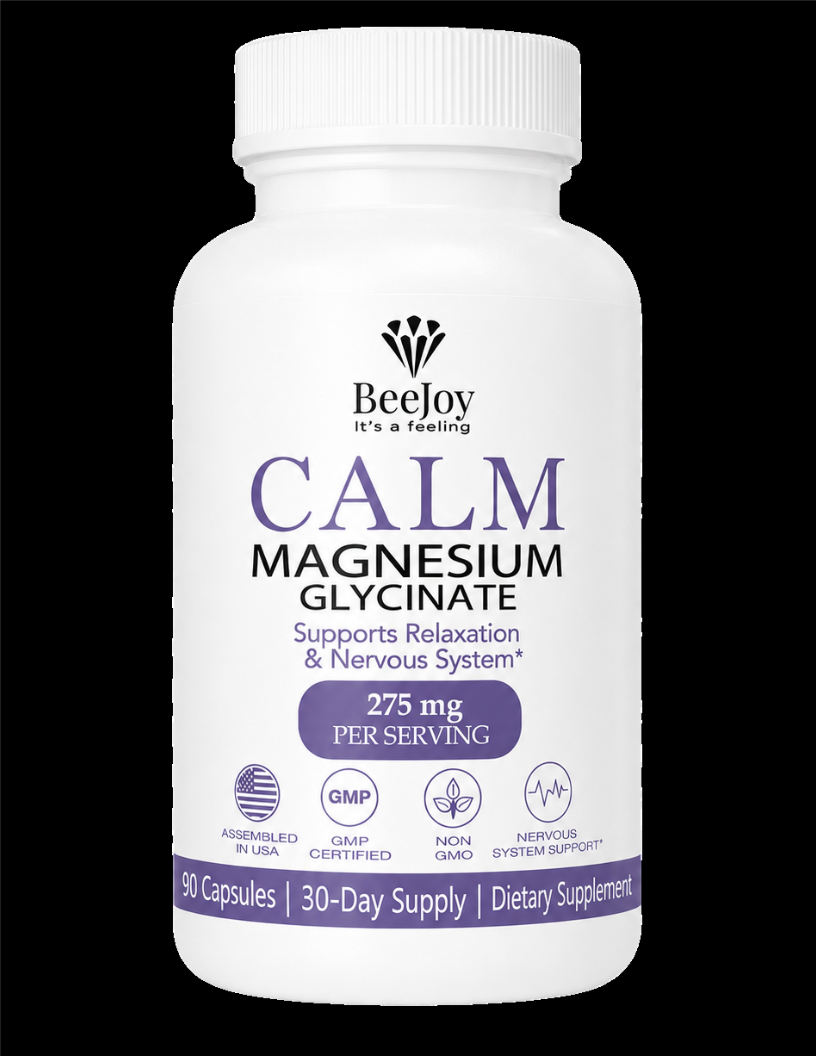
BeeJoy CALM was created to support routines of calm, rest, and daily balance from a simple perspective: well-being shouldn’t feel extreme, confusing, or full of grand promises. It should feel clear, gentle, and sustainable.
Frequently asked questions about magnesium glycinate dosage
Clear and responsible answers to resolve your doubts about this ingredient.
What is the recommended magnesium glycinate dosage?
Magnesium glycinate dosage can vary depending on the product, the amount of elemental magnesium per serving, diet, and individual context. Many people start with a lower dose, for instance between 100 and 150 mg of elemental magnesium daily, and adjust according to tolerance and professional guidance.
How much magnesium glycinate is typically taken?
The serving size can vary based on the supplement’s concentration. In many cases, supplementation stays within moderate ranges, but it is important to always check how much elemental magnesium each serving provides and not assume the total compound weight equals the actual magnesium content.
How to take magnesium glycinate responsibly?
The most responsible approach is to read the product label, identify the amount of elemental magnesium, avoid combining it with other supplements without proper guidance, and consult a healthcare professional if you take medications or have a medical condition.
Should magnesium glycinate be taken with food?
It can be taken with food or on an empty stomach, depending on personal tolerance and product instructions. Many people prefer taking it with meals or as part of a bedtime routine because it can be gentler on the stomach.
Can I take magnesium glycinate if I use medications?
If you take regular prescription medications, it is best to consult with a doctor or pharmacist before using magnesium glycinate. Magnesium can interact with certain medications or require spaced dosing schedules.
Does magnesium glycinate replace prescription medications?
No. Magnesium glycinate does not replace prescription medications, medical treatments, or professional healthcare advice. It can be part of a wellness routine when suitable for the individual, but it should not be used as a substitute for professional medical care.
What precautions should be considered before taking magnesium glycinate?
Consult a healthcare provider if you are pregnant, nursing, taking medications, have kidney disease, have a diagnosed medical condition, or take multiple dietary supplements simultaneously. It is also recommended to discontinue use and seek professional guidance if digestive discomfort, excessive drowsiness, weakness, dizziness, or unusual symptoms occur.
The dosage of magnesium glycinate shouldn’t be chosen based solely on a general figure or what someone else is taking. It depends on the product, the amount of elemental magnesium in each serving, your diet, your tolerance, and your individual circumstances.
Therefore, the best starting point is to read the label carefully, begin with a moderate amount, and observe how your body responds. If you are taking medication, are pregnant, breastfeeding, or have a medical condition, consult a healthcare professional before using supplements.
At BeeJoy, we believe that well-being is built on simple, clear, and conscious choices. Magnesium glycinate can be part of a healthy routine, but always with responsible, informed use, aligned with what your body truly needs.