
INGREDIENT
Saffron: what it is, what it’s used for and its benefits | Beejoy
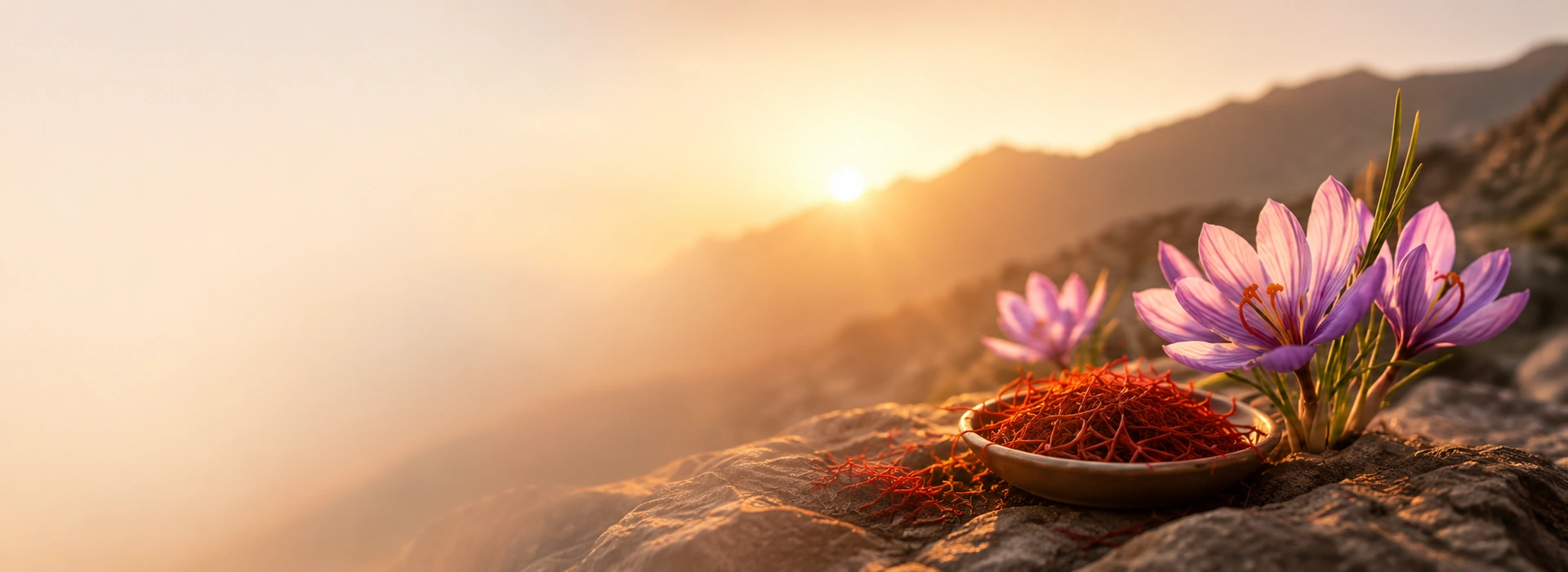
Saffron, known internationally as saffron, is a spice obtained from the flower of Crocus sativus.
Traditionally, it has been used in cooking for its aroma, flavor, and color. However, in recent years it has also garnered interest in the wellness and supplement industries. Part of this interest arises because saffron contains natural compounds such as crocin, crocetin, and safranal, which have been studied for their relationship with processes associated with mood, emotional balance, and general daily balance habits.


And perhaps that explains why more and more people are starting to look for it. Not necessarily because they “feel bad,” but because many feel they live life at too fast a pace, with the sensation that their mind never fully rests, or struggling to disconnect from the daily grind.
That is where saffron has begun to gain attention as a supplement that many individuals research to accompany more mindful routines centered on emotional stability, general balance, and sustainable self-care habits.
What is saffron used for?
Interest in saffron usually stems from contexts associated with emotional balance, mental rest, and overall well-being. Many people do not approach it looking for extreme solutions, but rather because they feel they are living in an overly accelerated rhythm, surrounded by constant stimuli, and facing that all-too-common difficulty of disconnecting from daily saturation.
This modern conversation arises because some of its natural compounds have been studied for their potential relationship with mood processes and a more human sense of well-being. Because of this, saffron has begun to earn a place in more mindful routines, accompanying sustainable habits of self-care and daily equilibrium.
However, it is essential to understand it without exaggerations: it is not a magical solution nor a replacement for medical treatments. Its place lies within a broader approach that simply seeks to help you feel a little more grounded, more present, and less overwhelmed by the pace of everyday life.


“Not everyone seeks to feel euphoric. Sometimes, people simply want to feel less emotionally overwhelmed.”
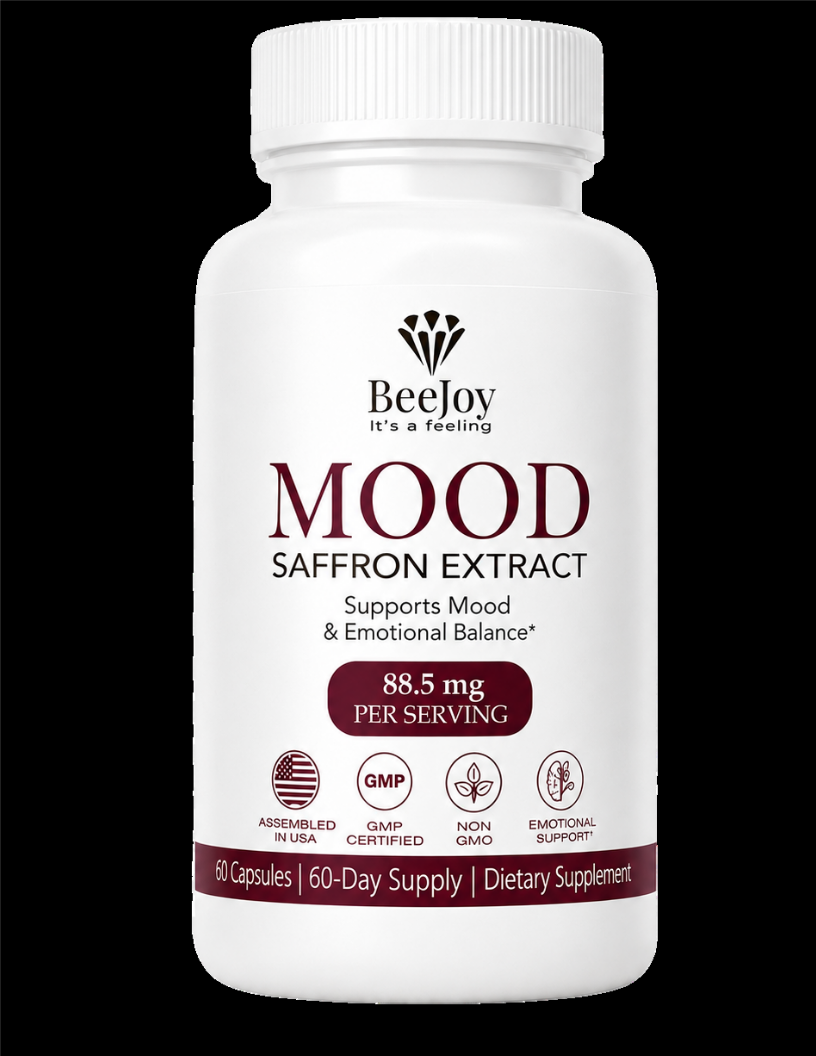
Saffron as a spice vs. saffron as an supplement
Although they come from the same plant, culinary saffron and saffron used in supplements are not always used in the same way. This difference is important because consuming saffron occasionally in cooking is not the same as using a supplement designed to be more consistently incorporated into a daily routine.
Saffron as a spice |
Saffron as an supplement |
|---|---|
| SIt is mainly used in recipes, drinks and gastronomy. | It is used within wellness and self-care routines. |
| It is usually consumed in small quantities. | It can offer more controlled and consistent quantities. |
| Its main purpose is to provide aroma, flavor, and color. | It seeks to concentrate specific compounds of saffron using standardized extracts. |
| Consumption is usually occasional or culinary. | It is designed to be more practically integrated into daily habits. |
| It varies depending on the preparation or recipe. | It can be found in capsules, extracts, or other modern formats. |
Therefore, when people search for “saffron supplement”, they are usually trying to understand something other than the traditional culinary spice.

Potential benefits of saffron
Modern interest in saffron doesn’t stem solely from wellness trends. Part of the conversation surrounding this supplement arises because various studies have explored how certain natural compounds might be related to emotional balance, daily habits, and overall well-being.
Emotional well-being and overall balance
Saffron has garnered attention for its association with emotional balance, mental relaxation, and an overall sense of well-being. For this reason, many people incorporate it into routines aimed at feeling calmer and less mentally overwhelmed.
Daily wellness and stress routines
Many people aren’t looking to “fix” their lives with a supplement. They’re simply looking to feel less overwhelmed by their daily routine. That’s why saffron is often incorporated into habits related to rest, self-care, and managing everyday stress.
Food and feeling of appetite
Some studies are exploring the relationship between saffron and eating habits and appetite. However, it should not be seen as a magic bullet for weight loss or a replacement for healthy habits.
Balanced lifestyle
Saffron is often incorporated into routines focused on daily balance, self-care, and overall well-being. Many people use it not to seek extreme changes, but to complement more mindful and consistent habits.
Every body responds differently, and supplements are not a substitute for medical treatment, diagnosis, or professional advice. Furthermore, much of the modern conversation about wellness has created unrealistic expectations surrounding supplements.
— BEEJOY · CONSCIOUS WELL-BEING
How to understand saffron within a wellness routine
For a long time, wellness was sold as a constant pursuit of greater productivity, control, and performance. But many people are no longer looking to live in elegant survival mode. They are looking to feel good in a more human and sustainable way.
That’s where supplements like saffron began to gain traction in certain modern self-care routines. Not because they “solve everything,” but because some people are interested in tools that can complement habits related to rest, emotional balance, mental breaks, and reducing excessive daily stimulation.
The goal shouldn’t be to become dependent on a supplement. The real goal is usually to better understand how your body responds to your lifestyle and to build habits that help you feel a little calmer, more present, and less overwhelmed in your daily life
“At BeeJoy, we believe that understanding your body will always be more valuable than chasing quick-fix promises.”
— BEEJOY MANIFEST
What to consider before taking saffron
Although saffron is generally considered well-tolerated by many people, there are certain situations where it is advisable to exercise caution and seek professional guidance before incorporating it into a routine.
People who take medication
If a person is using medication or undergoing medical treatment, it is advisable to consult with a healthcare professional before incorporating saffron supplements.
Pregnancy, breastfeeding, or medical conditions
Pregnant women, breastfeeding mothers, or people with specific medical conditions should seek professional advice before using supplements.
Individual sensitivity and possible unwanted effects
Each body responds differently. Some people may experience digestive sensitivity, discomfort, or individual reactions depending on the dose, the product, or their health context.
Importance of consulting with a health professional
Supplements do not replace medical evaluation, professional treatment, or prescribed medications. Educational information should always be understood as an informative supplement and not as a diagnosis.
Common dose of saffron as an supplement
The dosage of saffron can vary depending on the type of extract, its concentration, and the purpose of the supplement. However, many of the most popular modern supplements typically use standardized extracts in relatively small but concentrated amounts.
Much of the interest surrounding saffron as a supplement stems from extracts designed to offer a more consistent dose than the traditional culinary spice. Even so, it’s important to understand that there is no single “perfect” amount and that each product may have different indications depending on its formulation.
| General information | Detalles |
|---|---|
| Most studied doses | 28 mg to 30 mg daily Many modern supplements use standardized saffron extract within this range. |
| Frequency of use | Depending on the formulation, it is usually taken once or twice a day. |
| Usage time | Some people incorporate it daily into their wellness and self-care routines. |
| Most common format | Standardized capsules or extracts. |
| Important to understand | The ideal dose may vary depending on the product, the concentration of the extract, and the individual’s context. |
| General recommendation | It is always important to follow the manufacturer’s instructions or consult with a health professional before using supplements. |

Frequently asked questions about saffron
Saffron is a spice obtained from the flowerCrocus sativusIn addition to its culinary use, there is also growing interest in its extracts as a supplement within wellness routines.
Saffron is often used in contexts related to emotional well-being, general balance, daily stress management, and wellness habits.
It is studied for its relationship with emotional well-being, mood, eating habits, and overall balance. However, the results may vary depending on the individual and the context.
Culinary spices are used in recipes and foods, while supplements typically employ standardized extracts designed for more consistent use within wellness routines.
It depends on the type of supplement, the formulation, and each person’s routine. Some people incorporate it as part of their daily wellness habits.
No. Saffron should not be considered a replacement for medical treatments, medications, or professional recommendations.
Saffron has gone from being known only as a traditional spice to becoming one of the most sought-after supplements in the world of modern wellness.
Part of that interest stems from its connection to emotional balance, general well-being, and more conscious lifestyle habits.
But understanding it correctly matters.
It’s not about turning a supplement into an impossible promise. It’s about understanding how some tools can become part of more sustainable, humane, and balanced routines.
Because sometimes wellness doesn’t begin by trying to change your entire body.
Start by better understanding what it feels like to live inside it.
“Feeling better doesn’t always start with doing more. Sometimes it starts with giving your mind a little more balance.”