

Magnesium Glycinate
How to Take Magnesium Glycinate | Beejoy
Taking magnesium glycinate can be quite simple: check how much elemental magnesium your supplement provides, follow the serving instructions on the label, and choose a time of day you can stick to consistently.
Many people prefer taking it at night, while others tolerate it better in the morning. There is no single time that works for everyone. What matters most is finding a routine that feels comfortable and works well for you.
You can also take magnesium glycinate with food. In fact, if you notice digestive sensitivity when taking supplements on an empty stomach, having it with a meal or snack may feel more comfortable.
The amount you take deserves a little more attention because the milligrams of “magnesium glycinate” and the milligrams of elemental magnesium are not necessarily the same. The supplement label is the best place to start.
How to Take Magnesium Glycinate Correctly
Magnesium glycinate can come in capsules, tablets, or powder. The format changes how you consume it, but not the overall logic: follow the recommended amount and find an easy way to integrate it into your daily life.
Verify the actual amount of elemental magnesium per serving on the supplement facts panel.
Always respect the specific instructions for use provided on the product label.
Decide whether taking it in the morning, at night, or split throughout the day works best for you.
Build a daily habit without falling into the misconception that a higher dose is better.
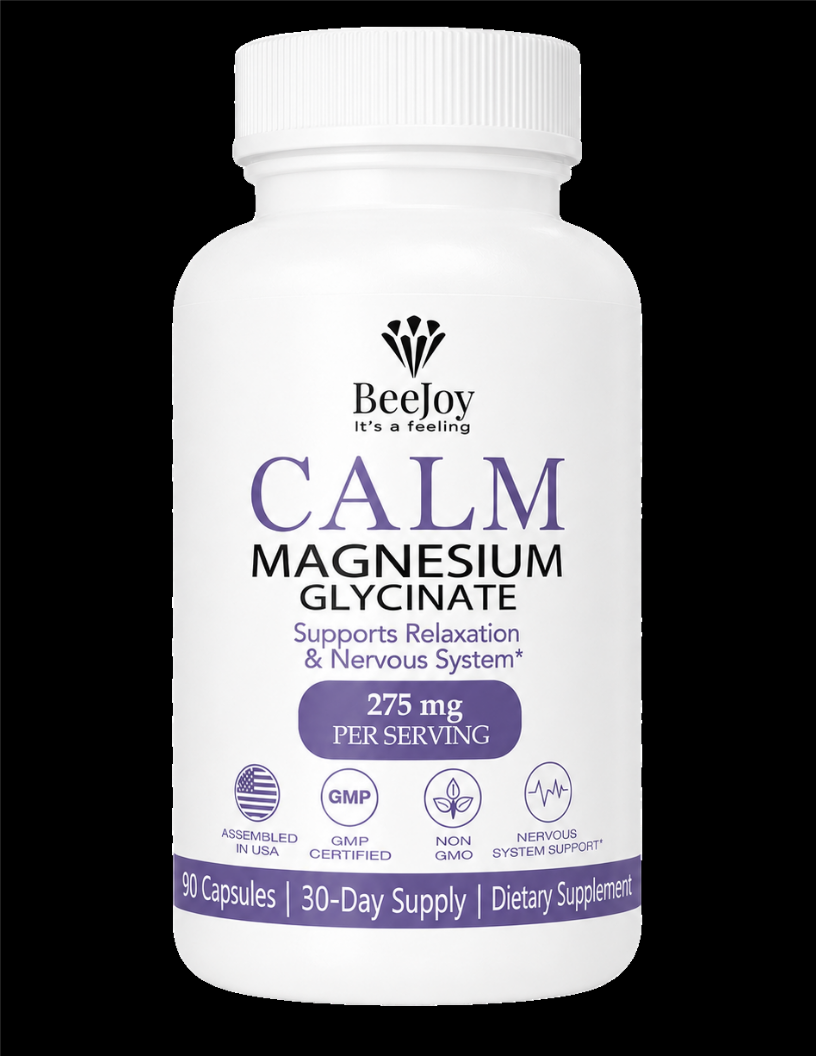
How Much Magnesium Glycinate to Take
There is no universal amount of magnesium glycinate that fits everyone. Total daily magnesium requirements vary based on factors such as age and sex.
For adults, total recommended daily magnesium intake generally ranges between 310 and 420 mg, considering all dietary sources. These figures represent total daily dietary needs and should not be interpreted as a recommended dose for a magnesium glycinate supplement alone.
To determine how much to take, check how much elemental magnesium each serving provides and follow the specific instructions on the label or from your healthcare professional.
Check Elemental Magnesium Content
The number listed as “magnesium glycinate” or “magnesium bisglycinate” often refers to the weight of the entire compound. What you need to identify on the supplement facts label is how much elemental magnesium each serving actually delivers.
For instance, two products may use magnesium glycinate yet provide different amounts of elemental magnesium per capsule. Always read the label before deciding how many capsules to take.
Single Serving vs. Splitting the Serving
If your product’s daily serving consists of multiple capsules or scoops, it may be possible to take them together or divide them throughout the day, in accordance with the manufacturer’s directions.
Dividing the serving can be helpful if you prefer smaller amounts per intake, feel that a full serving is heavy on your stomach, or want to take one portion in the morning and another at night.
When to Take Magnesium Glycinate
Both morning and night are valid options. The choice depends on how well you tolerate it and which schedule is easiest for you to maintain consistently. Consistency matters more than finding a perfect hour.
Taking It at Night
Many people prefer taking magnesium glycinate in the evening because it naturally aligns with their winding-down routine, pairing it with dinner or a nighttime habit.
Taking It in the Morning
If you often forget evening supplements or find morning intake more convenient upon waking, you can easily integrate it into your breakfast without forcing a nighttime schedule.
Looking to Dive Deeper Into Timing?
To explore in detail which time of day best suits your specific routine and lifestyle, read our dedicated guide.
View Best Time Guide →
With Food or Without Food?
Magnesium glycinate can be taken with a meal, which is especially helpful if supplements tend to cause stomach upset on an empty stomach.
If you experience nausea, abdominal discomfort, or digestive sensitivity, try taking it alongside a meal or snack rather than taking it alone. This does not mean everyone must take it with food.
Capsules or Powder: Does the Format Change How You Take It?
Choosing between capsules and powder is a matter of preference and convenience rather than creating two entirely different routines. Capsules offer pre-measured convenience, while powder should be measured with the official scoop and mixed with liquids without guessing amounts.
What to Do If Magnesium Glycinate Feels Heavy on Your Stomach
Although magnesium glycinate is generally well tolerated, any magnesium supplement can cause mild digestive discomfort under certain circumstances. If you feel discomfort, review whether you are taking it with food, check that you aren’t exceeding the recommended intake, and see if you are receiving magnesium from other products.
High amounts of supplemental magnesium can cause diarrhea, nausea, and abdominal cramping. If discomfort persists or becomes intense, discontinue use and consult a healthcare professional.
Magnesium Glycinate and Medications: When to Separate Them
Magnesium can interfere with the absorption of certain medications. According to the NIH, antibiotics such as tetracyclines and quinolones should be taken at least 2 hours before or 4 to 6 hours after a magnesium supplement. For oral bisphosphonates, separating intake by at least 2 hours helps minimize interaction. If you regularly take medications, always consult your physician or pharmacist.
Signs It May Be Time to Adjust Your Routine
Consider reviewing your routine if you experience:
- Persistent digestive discomfort.
- Frequently forgetting your daily serving.
- Combining multiple supplements containing magnesium.
- Uncertainty about the elemental magnesium content per serving.
- Starting a new prescription medication.
- Considering increasing your intake beyond the label instructions.
A Simple Routine for Taking Magnesium Glycinate
If you are looking for a simple sequence to get started, you can follow these steps:
Frequently Asked Questions About Magnesium Glycinate
Check the serving size on the supplement facts label and, most importantly, the amount of elemental magnesium it provides. You can take it in the morning or evening and pair it with food if that improves your digestive tolerance.
There is no single best time for everyone. Many people prefer taking it at night because it fits easily into their evening wind-down routine, while others tolerate or remember it better in the morning. Consistency is generally more important than finding an exact hour.
It can be taken with food, and doing so can help prevent mild stomach discomfort if you tend to be sensitive when taking supplements on an empty stomach.
Depending on your product’s instructions, a daily serving made up of multiple capsules or scoops can be split throughout the day. This approach may feel more comfortable for some individuals. Always follow label directions.
Neither format is universally better. Capsules offer easy pre-measured servings, while powder is convenient for those who prefer mixing supplements into liquids. In both cases, verify the amount of elemental magnesium provided per serving.
Try taking it with meals and confirm that you are following the recommended serving size. If discomfort persists, discontinue use and consult a healthcare professional.
Not always. Magnesium can interfere with the absorption of certain medications, including specific antibiotics and bisphosphonates. If you regularly use prescription drugs, consult your doctor or pharmacist to determine the appropriate timing.
