

BERBERINE
Benefits of berberine and how to understand them | Beejoy
The potential benefits of berberine They are usually grouped around four areas: glucose, metabolism, lipids, and weight. Their relationship with digestion and microbiota is also being investigated, although not all areas have the same level of evidence.
Even so, it’s not a medication, it doesn’t replace treatments, and it doesn’t work the same for everyone. Its true value lies in understanding it as a possible complementary support, not as the centerpiece of a routine.
Simply put, many people are interested in berberine because they want to feel more stable: with a better relationship with food, more clarity about their energy levels, and a routine that supports their wellness goals.
Among the benefits most frequently mentioned in literature and educational medical content are:

Support for glucose metabolism

Possible contribution to insulin sensitivity

Relationship with lipid markers such as cholesterol and triglycerides

Interest in weight and body composition

Possible role in microbiota and digestion
UCLA Health summarizes the potential benefits in areas such as weight, cardiovascular health, glucose, and digestion, but also clarifies that there is no conclusive evidence to compare berberine with GLP-1 medications.
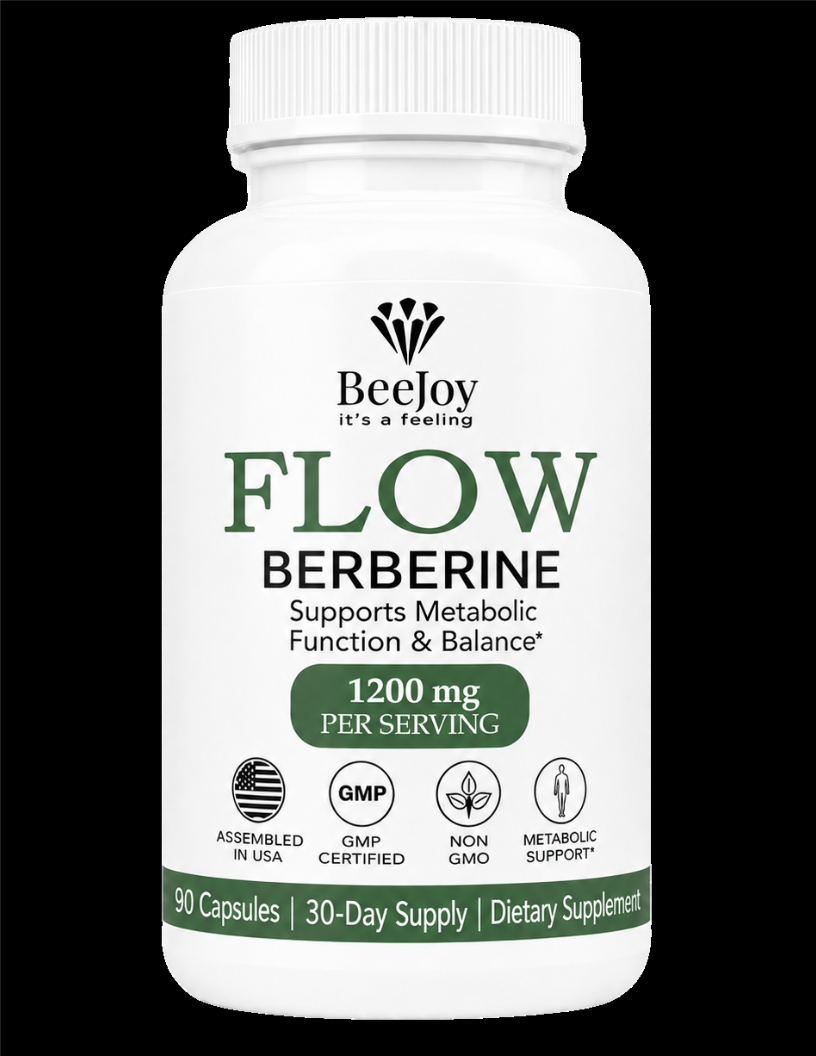
Berberine, glucose and metabolic well-being
Metabolic wellness relates to how the body uses and regulates energy, including glucose, insulin, fat metabolism, liver function, and daily habits.
Insulin helps maintain blood sugar balance. When the body doesn’t respond well to insulin, or when the liver produces more glucose than needed, levels can rise. Therefore, berberine is often studied for its potential relationship with glucose, insulin, and metabolism.
Put simply:
Berberine does not “fix” metabolism, but it may influence certain pathways related to energy management. For this reason, it can be relevant within a routine that also includes a balanced diet, physical activity, rest, and professional guidance when appropriate.

Berberine and weight
Berberine has gained popularity on social media as a “natural” alternative to weight-loss medications. That comparison can be misleading. UCLA Health explains that berberine acts differently from GLP-1 medications and that current evidence does not support the claim that it has similar effects.
Some studies suggest there could be changes in weight or body mass index in certain groups—particularly with specific dosages and durations—but the evidence is inconclusive. Furthermore, many studies include individuals with pre-existing metabolic conditions, making it difficult to generalize the results to the entire population.
That is why, at BeeJoy, we do not speak of berberine as a product for “weight loss.” It would be more accurate to say that it can be considered part of a metabolic wellness routine, where weight may be influenced by many factors.
Why many people associate berberine with weight
When metabolism feels sluggish, it’s common to look for something to help restore balance. But the body rarely responds well to isolated solutions. Berberine may make sense for some people as part of a broader strategy, but it doesn’t replace adequate nutrition, exercise, rest, or professional guidance when medical conditions are present.
It’s also important to acknowledge something: many women seek weight management support not just for aesthetic reasons, but because they experience changes in energy levels, appetite, digestion, or hormonal balance. This experience deserves a more humane response than a quick fix. It deserves clear information and realistic expectations.

Benefits of berberine within a wellness routine
A wellness routine isn’t perfect. It’s a sum of small decisions that the body can sustain: eating more consistently, moving regularly, sleeping better, staying hydrated, paying attention to digestive signals, and seeking help when something doesn’t feel right.
In that context, berberine can support goals such as:

Supporting a more conscious view of metabolism

Complement eating and exercise habits

To be part of a conversation about glucose and energy

To accompany routines focused on cardiometabolic well-being

To help some people better understand their relationship with weight and habits
Considerations prior to the use of berberine
Just because berberine is plant-based doesn’t mean it’s suitable for everyone. Supplements can also have side effects, interactions, and contraindications.
The NCCIH notes that berberine can cause side effects in some people, such as abdominal pain, constipation, diarrhea, nausea, and vomiting, and that it can interact with other medications. It also states that it should not be used during pregnancy or breastfeeding, nor should it be given to infants.
People who take medication
People taking medications should consult before using berberine, especially if they are using treatments for glucose, blood pressure, anticoagulants, post-transplant medications, or other drugs for continuous use.
Medical conditions and professional supervision
If you have diabetes, prediabetes, cardiovascular disease, liver disease, significant digestive problems, polycystic ovary syndrome, or another medical condition, it is best to consult a doctor before incorporating berberine.
Pregnancy, breastfeeding, or individual sensitivity
During pregnancy or breastfeeding, berberine should be avoided unless specifically advised by a doctor. MotherToBaby notes that many supplements are not recommended during pregnancy because they are not well regulated or studied, and mentions concerns related to bilirubin and breastfeeding.
Frequently asked questions about the benefits of berberine
Clear and responsible answers to address your questions about this ingredient.
What are the benefits of berberine?
The potential benefits of berberine are often associated with metabolic well-being, glucose, lipids, weight, and digestion. However, these should be understood as areas under study, not guaranteed results.
What potential benefits are associated with berberine?
It is associated with supporting glucose metabolism, insulin sensitivity, lipid metabolism, cardiometabolic well-being, and weight management as part of a healthy routine. The evidence varies by region and may not apply equally to everyone.
Does berberine help with weight loss?
Some studies suggest possible changes in weight or BMI in certain contexts, but the evidence is not conclusive. It should not be presented as a weight-loss solution or directly compared to GLP-1 medications.
Does berberine help with glucose?
Berberine has been studied for its possible relationship with glucose, insulin resistance, and lipid metabolism, especially in people with type 2 diabetes. It does not replace medication or medical follow-up.
Does berberine help with metabolism?
It can be part of a routine focused on metabolic well-being, especially when combined with a balanced diet, movement, rest, and professional follow-up if appropriate.
Does berberine replace medications?
No. Berberine does not replace medications, treatments, or the advice of a healthcare professional.
What precautions should be taken before taking berberine?
It’s advisable to review medications, medical conditions, pregnancy, breastfeeding, digestive sensitivities, and the use of other supplements. If in doubt, it’s best to consult a healthcare professional.