

SAFFRON
Side Effects of Saffron | Beejoy
Saffron is generally well-tolerated when used as a spice in typical cooking amounts.
However, when consumed in supplements or concentrated extracts, some people may experience side effects, particularly digestive discomfort, headache, dizziness, drowsiness, or changes in appetite.
Although many of these reactions are mild and temporary, some situations require greater caution. The dosage, the type of extract, any medications being used, and individual sensitivity can all influence how each person reacts.
Knowing the possible adverse reactions allows you to identify when it is enough to stop taking a supplement and consult a doctor, when a medical evaluation is necessary, and what signs require urgent attention.
Is saffron safe to consume?
Saffron (Crocus sativus L.) has been used in food for centuries. In typical culinary quantities, it is generally considered safe for most people. The situation changes when we talk about supplements: capsules can contain extracts with a different composition and concentration than the spice used in a recipe.
This does not mean that all saffron supplements are dangerous. In fact, numerous clinical studies have found that different preparations are generally well-tolerated during specific periods of use. However, good general tolerance does not guarantee that everyone will respond the same way.
Research findings
A systematic review published in 2026, which examined 102 clinical trials and one case report, identified primarily gastrointestinal and neurological discomfort, alongside some psychological reactions, noting that adverse effects were not always recorded consistently.
The conclusion is straightforward: saffron can be well tolerated, but its safety should be evaluated considering the specific product, the individual, and the overall context of use.
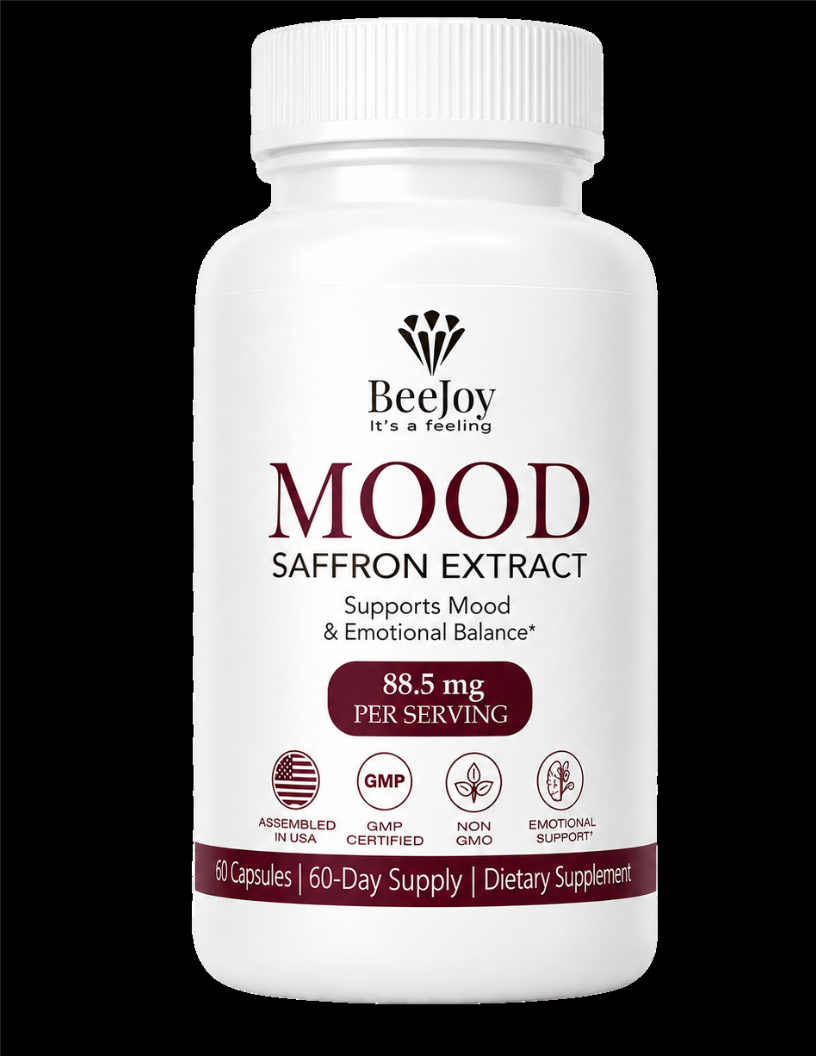
Common side effects of saffron
The adverse effects described in studies with saffron supplements are usually mild or moderate. Not everyone experiences them, and their occurrence does not necessarily mean there is a serious complication.
Even so, it is worth acknowledging them.
Digestive discomfort and appetite changes
Gastrointestinal discomfort is among the most frequently reported side effects. It can include nausea, stomach upset, abdominal pain, mild vomiting, or changes in transit such as diarrhea.
Changes in appetite—both decreases and increases—have also been described in clinical observations.
If persistent or recurring digestive symptoms appear, it is wise to discontinue the supplement and consult a healthcare professional before resuming.
Headache, dizziness, and drowsiness
Symptoms related to the nervous system such as headache, dizziness, fatigue, lightheadedness, and drowsiness have also been recorded.
Some studies have observed sleep variations, including insomnia or more vivid dreams than usual.
If dizziness or drowsiness occurs after taking it, avoid driving or performing tasks requiring close attention until the symptoms resolve and their cause is evaluated.
Dry mouth and mood changes
Dry mouth and occasional shifts in taste perception are reactions documented across research trials.
Regarding mood, nervousness, restlessness, irritability, and isolated reports of hypomanic symptoms in susceptible individuals have been observed.
If you experience unusual agitation, noticeable behavioral shifts, or a marked drop in sleep need, stop use and seek medical advice.
What to do if side effects appear?
Experiencing discomfort after taking saffron does not automatically mean poisoning has occurred. However, it is not advisable to ignore it or continue consuming it hoping it will simply disappear.
The important thing is to observe what happens and take measured, proactive steps.
Do not attempt to compensate for an adverse reaction by reducing or increasing the dosage on your own. A healthcare professional can help determine whether it is best to stop the supplement or review other factors in your daily routine.
How to act in case of minor discomfort
If you notice mild nausea, headache, or digestive upset, follow these steps:
- Temporarily discontinue the supplement: Avoid taking more while investigating the underlying cause of your discomfort.
- Observe the symptoms: Clearly identify what you felt, when it started, and how long the sensation lasted.
- Check the product: Verify the serving size, ingredients, and any other supplements or prescription drugs you are taking.
- Consult a professional: Especially if discomfort persists, recurs, or interferes with your regular daily activities.

When should I stop taking saffron?
Although many side effects are mild, certain warning signs require discontinuing the supplement immediately and seeking medical attention. A reaction that appears suddenly, intensifies quickly, or compromises core bodily functions must never be seen as normal adjustment.
Warning signs that require medical attention
Pay close attention and stop taking the supplement if you experience:
- Unusual bleeding: Blood in stool or urine, unexplained nosebleeds or bleeding gums, or sudden unprovoked bruising.
- Severe dizziness or fainting: Especially when accompanied by significant weakness or heart palpitations.
- Persistent vomiting or severe abdominal pain: Particularly if it prevents maintaining proper hydration.
- Notable shifts in mental state: Severe agitation, disorientation, confusion, or erratic behavioral changes.
- Yellowing of the skin or eyes: Requires prompt clinical evaluation to determine liver involvement.
- Signs of a severe allergic reaction: Shortness of breath or swelling of the lips, tongue, face, or throat.
If you experience difficulty breathing, loss of consciousness, heavy bleeding, or other acute symptoms, seek emergency care right away. If you suspect an overdose of saffron, contact emergency services or poison control immediately—even before symptoms appear.
Interactions and people who need to be more careful
Saffron contains biologically active compounds. For that reason, using it as a dietary supplement warrants personalized evaluation under specific health circumstances.
Not all described interactions are confirmed through large-scale clinical trials. Some represent potential risks based on pharmacological mechanisms, preliminary trials, or isolated case reports. That clinical uncertainty should never be interpreted as an absolute guarantee of safety.
Possible drug interactions
There is clinical concern regarding saffron’s potential influence on platelet aggregation and bleeding risk. A 2026 scientific review highlighted a case of bleeding in an individual combining rivaroxaban with a saffron supplement. Although a single case does not establish broad frequency, it emphasizes the need for caution. If you take blood thinners or antiplatelet drugs, consult your physician before adding saffron extracts.
Saffron is actively studied for its effects on neurotransmitter pathways, particularly serotonin. Potential interactions with antidepressants (such as SSRIs and MAOIs) have been raised. Current clinical evidence does not confirm that combining them inherently triggers serotonin syndrome, but it remains a theoretical risk. Always check with your prescribing doctor first, and never adjust or stop prescribed antidepressants on your own.
Emerging research indicates that saffron extracts may lower blood pressure. In individuals taking antihypertensive medications, an additive hypotensive effect is possible. Anyone with chronically low blood pressure or taking blood pressure medication should seek professional medical advice prior to use.
Pregnancy, breastfeeding and sensitive conditions
There are specific health circumstances where saffron supplements should be avoided or taken solely under direct medical supervision:
Standard culinary amounts differ significantly from concentrated supplement doses. Higher intake has been linked to uterine stimulation and reproductive risks in experimental data. As a precaution, avoid saffron supplements during pregnancy unless explicitly approved by your doctor.
Safety documentation regarding concentrated saffron extract during breastfeeding remains limited. Supplementation is not advised without medical guidance.
Due to documented reports of hypomanic episodes and unpredictable responses in vulnerable individuals, those with bipolar disorder or a history of mania should avoid self-supplementing with saffron.
Individuals with bleeding disorders, kidney dysfunction, or cardiovascular issues need extra care. If you have a scheduled surgery, inform your healthcare team about all supplements you take.

Dose and sensitivity: when does the risk increase
The amount of saffron consumed directly influences the risk of adverse reactions. However, there is no single universal dosage number that guarantees absolute safety for all products and all individuals.
Supplement dose versus high amounts
Numerous clinical trials have evaluated standardized saffron preparations around 30 mg daily, alongside other targeted amounts. These numbers reflect distinct clinical protocols and must not be taken as an automatic guideline for any commercial supplement.
At the opposite extreme, toxicological data documents acute poisonings with multiple-gram intakes: doses around 5 grams or more are considered potentially toxic (triggering severe vomiting, spontaneous bleeding, dizziness, and neurological issues), while historical literature links 12 to 20 grams with fatal outcomes.
Data regarding bulk culinary spice cannot be directly converted into milligrams of standardized extract. To explore this difference in depth, read our specialized guide on the saffron dosage.
Why not all extracts are equivalent
Two distinct supplements may list different milligrams of saffron without automatically revealing which is more potent or carries a higher risk profile.
The real chemical profile of an extract depends on:
- The exact anatomical part of the plant used.
- The proprietary extraction method.
- Its standardized concentration ratio.
- The certified levels of key active compounds (crocins and safranal).
- Synergistic ingredients blended into the formulation.
Comparing milligram numbers alone can lead to inaccurate conclusions. Always inspect the label, follow stated instructions, and consult a doctor if you take medication or have underlying health concerns.
At BeeJoy, we believe a true wellness routine starts with transparency: making conscious choices means understanding both the precautions and the benefits of every ingredient.
Frequently Asked Questions about Saffron Side Effects
Some studies have reported nervousness, restlessness, or anxiety during the consumption of saffron supplements. Not everyone experiences these reactions, and a direct causal link cannot always be proven. If you notice marked changes in mood, discontinue use and speak with a doctor.
Yes. Drowsiness, dizziness, and tiredness are documented in clinical literature. If these occur, avoid activities requiring concentration or driving until you feel completely well and have evaluated the underlying cause.
There is no universal timeline. Some discomfort reported in clinical trials was temporary, but recovery depends on the specific symptom, the formula, and individual tolerance. If a reaction persists, worsens, or returns, seek medical evaluation.
There are indications of an effect on platelet activity, and at least one case of bleeding has been reported when combining saffron with an anticoagulant medication. While the exact frequency of this risk is not determined, individuals on anticoagulant or antiplatelet therapies must consult a physician prior to taking saffron supplements.
Potential interactions exist due to serotonin modulation, but clinical significance remains under active research. If you take prescribed antidepressants, do not introduce saffron supplements without talking to your doctor, and never alter your prescription on your own.
Specific standardized preparations have been safely used daily across several weeks in controlled clinical trials. However, this does not guarantee universal or indefinite safety. Suitability depends on the extract, dose, concurrent medications, and your individual health status.
This content is for informational purposes only and is not a substitute for professional medical advice. If you are pregnant, breastfeeding, taking medication, or have a medical condition, consult your doctor before using supplements.
Well-being also involves knowing how to listen to your body
Understanding the potential side effects of a supplement allows you to use information thoughtfully and avoid decisions based solely on expectations.
Saffron can be part of various wellness routines, but adopting it consciously means monitoring your body’s response, following recommended doses, and seeking professional advice whenever medical conditions or prescriptions are involved.
At BeeJoy, we believe well-being starts with clear information and conscious choices.