

SAFFRON
Contraindications of Saffron | Beejoy
Saffron (Crocus sativusIt is traditionally used as a spice and is also present in wellness supplements.
Although it is generally well tolerated,There are contraindications for saffron that should be known before consuming it in the form of a concentrated extract.. The difference is important: the small amounts used in cooking do not represent the same level of exposure as supplements. Knowing when to avoid supplements allows you to make more informed decisions.
Who should avoid saffron?
Saffron supplements are not suitable for everyone. It is recommended to avoid them or consult a healthcare professional beforehand in the following situations:
Pregnancy and breastfeeding
Due to the potential risks of concentrated doses and the lack of sufficient data on their safety.
Saffron allergy
Especially if there is a history of allergic reactions to this plant.
Clotting disorders or active bleeding
Due to its possible effects on platelet function.
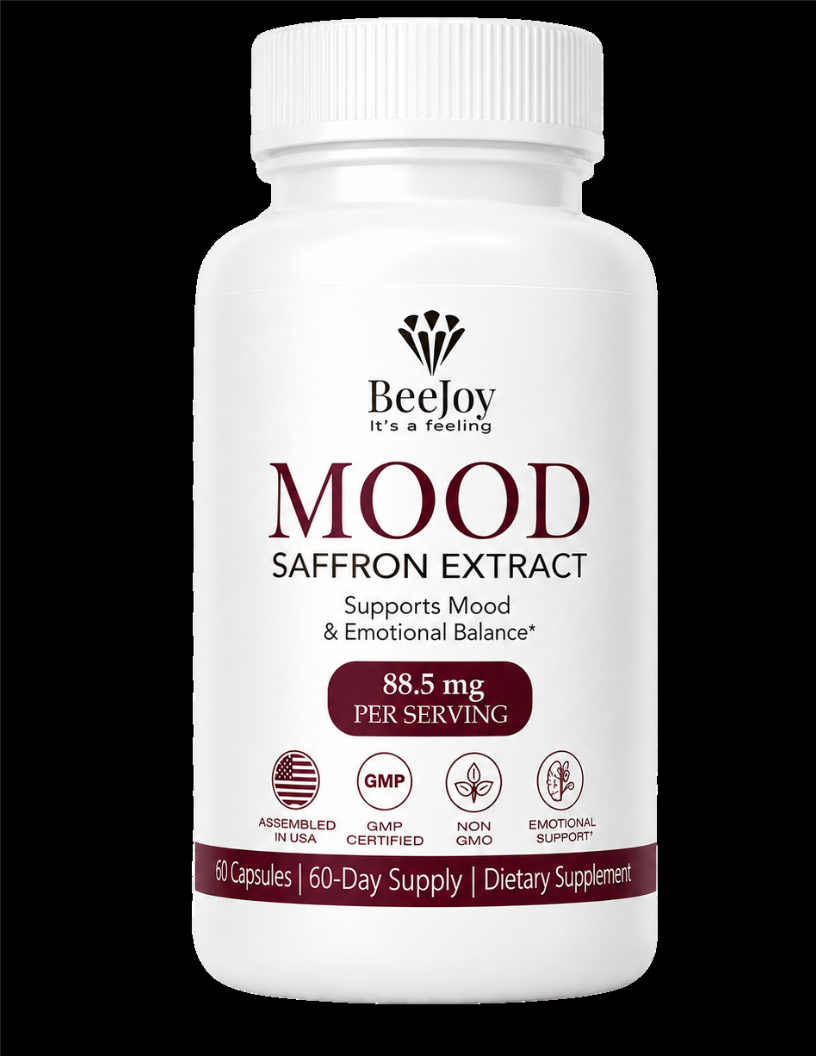
Saffron interactions with medications
Saffron extract may interact with certain treatments. Key precautions include:
Antidepressants
Especially SSRIs, SNRIs, and MAOIs. There is a possible interaction due to their effects on serotonin-related pathways, although the clinical risk is not fully established.
Anticoagulants and antiplatelet agents
Such as warfarin, rivaroxaban, aspirin, or clopidogrel. The combination could increase the risk of bleeding.
Antihypertensives
Saffron may help lower blood pressure and enhance the effect of some medications.
Sedatives
It may increase drowsiness when combined with certain central nervous system depressant medications.

Saffron during pregnancy and breastfeeding
During pregnancy, it is recommended to avoid concentrated saffron supplements. In high quantities, some of its components can stimulate uterine activity, which poses risks to the pregnancy.
During breastfeeding, the available evidence also does not allow us to establish the safety of concentrated extracts for the baby.
These precautions mainly refer to supplementation, not to regular culinary use in small quantities.
Conditions that require special precaution
Some health conditions require individual assessment before using saffron in supplements:
- Bipolar disorder: There is concern about possible mood changes, including episodes of hypomania or mania.
- Low blood pressure or heart problems: Saffron may influence blood pressure and certain cardiovascular parameters.
- Scheduled surgeries: Inform the medical team if you are taking saffron extract. It may be recommended to discontinue herbal supplements up to two weeks before a procedure, depending on the procedure and clinical assessment.
Warning signs
If you experience unusual bleeding, unexplained bruising, severe dizziness, significant mood changes, or allergy symptoms, discontinue use and seek medical advice.
If you experience difficulty breathing, fainting, or significant bleeding, seek urgent medical attention.
Checklist: Should you consult before taking it?
Before adding a saffron supplement to your routine, check out these questions:

Frequently Asked Questions
The small amounts commonly used as a spice are generally considered safe. The main precautions described apply to the use of concentrated extracts or large quantities.
It depends on the medication and your health condition. Some combinations may have potential interactions, so it’s advisable to consult a doctor before starting to take them.
Responsible note: This content is for informational purposes only and is not a substitute for professional medical advice. If you are pregnant, breastfeeding, taking medication, or have a medical condition, consult your doctor before using supplements.