

BERBERINE
Berberine contraindications: who shouldn’t use it | Beejoy
Berberine is a naturally occurring compound found in various plants that has attracted interest due to its potential effects on metabolism.
However,it is not suitable for everyone.There are contraindications for berberine that should be known before incorporating it into a wellness routine, especially during pregnancy, breastfeeding, or when taking certain medications.
Although it’s a plant-based ingredient, berberine has biological activity and can alter how the body responds to certain treatments. Therefore, understanding its potential benefits is only part of the conversation. The other part is knowing when to avoid it and when to seek professional guidance.
In summary:Berberine is not recommended during pregnancy, breastfeeding, or for infants. People taking medication or with certain medical conditions should consult a healthcare professional before using it.
Who should not take berberine?
Some situations present safety concerns significant enough to warrant avoiding berberine. Others require an individual assessment that considers overall health, current treatments, and individual characteristics.
Groups for whom its use is discouraged include pregnant individuals, breastfeeding mothers, and infants. There is also insufficient data to establish safe use for children and adolescents without medical supervision.
Berberine during pregnancy
Berberine should be avoided during pregnancy due to its potential effects on fetal development and the lack of adequate safety studies in pregnant individuals.
One primary concern described in scientific literature is its potential interference with the metabolism of bilirubin, a natural byproduct of red blood cell breakdown. In newborns, excessive bilirubin accumulation can be dangerous and, in severe cases, lead to kernicterus—a form of neurological damage associated with elevated bilirubin levels in brain tissue.
Potential effects of berberine on uterine contractions have also been documented, although clinical human evidence remains limited. The recommendation is clear: avoid berberine supplements during pregnancy. If you used it before confirming your pregnancy, consult your healthcare provider to assess your exposure; this does not automatically indicate that harm has occurred.
Berberine during breastfeeding
Berberine is likewise recommended to be avoided throughout lactation.
According to MotherToBaby, berberine can pass into breast milk, although transfer quantities remain unquantified and current data is insufficient to establish a safe infant exposure threshold.
The core clinical concern centers on bilirubin clearance pathways, particularly in early infancy when elimination mechanisms are still maturing. Consequently, the absence of overt symptoms in either mother or child does not ensure the safety of continuing supplementation while nursing.
Babies and toddlers
Berberine must never be administered to newborns, infants, or toddlers.
Their developing organ systems are especially vulnerable to disturbances in bilirubin clearance and hepatic enzyme regulation.
In older children and adolescents, clinical research concerning safety, appropriate dosage thresholds, and long-term outcomes remains inadequate. As such, it should never be introduced as an unsupervised wellness supplement.
Berberine and medications: interactions you should know about
One of the most important precautions regarding berberine is related to its potential drug interactions. The body utilizes distinct enzymatic pathways to clear and process pharmaceuticals, notably enzymes within the cytochrome P450 superfamily.
A clinical study in humans observed that repeated administration of berberine decreased the functional activity of three key hepatic enzymes: CYP2D6, CYP2C9, and CYP3A4. This indicates that berberine can alter systemic blood levels of certain medications, though not every combination shares the same clinical significance or burden of evidence.
Berberine has been studied for its actions on carbohydrate and glucose pathways. When paired with prescription hypoglycemic agents—particularly insulin or sulfonylureas—it may heighten the risk of blood sugar falling too low. Combining it with metformin or other antidiabetic agents also necessitates prior medical oversight. Symptoms like sweating, tremors, fatigue, or confusion require prompt evaluation; never adjust prescribed doses independently.
Berberine can influence cardiovascular signaling involved in vascular resistance. Combining it with antihypertensive agents may compound blood pressure drops in susceptible profiles. This requires careful attention if you have a history of frequent lightheadedness, syncopal episodes, or natural tendencies toward hypotension.
Individuals on blood-thinning therapies (such as warfarin, apixaban, low-dose aspirin, or clopidogrel) must seek medical guidance prior to use. While specific evidence varies across formulations, interactions that modulate hepatic clearance could influence bleeding tendencies and require monitored clotting parameters.
Documented trials note that berberine can elevate circulating blood levels of cyclosporine and tacrolimus. The Memorial Sloan Kettering Cancer Center advises caution across these combinations as well as drugs cleared via CYP3A4, CYP2D6, or CYP2C9 (such as specific statins and sedatives). Share your comprehensive medication list with your clinician.
Diseases and conditions that require special precaution
In addition to drug interactions, certain medical conditions necessitate a more careful evaluation. Having one of these conditions does not mean everyone will encounter an adverse reaction, but it does not permit assuming berberine is a suitable option.
Liver or kidney diseases
The liver and kidneys play central roles in processing and eliminating physiological substances. When liver or kidney disease is present—especially in advanced or decompensated stages—the clearance and safety dynamics of supplements change noticeably.
Clinical data concerning berberine usage in patients with significant organ impairment is sparse. Consequently, recommending its unsupervised use in these populations is medically irresponsible. If you have renal or hepatic disease, seek professional guidance prior to use, regardless of whether a product is marketed as completely natural.
Hypotension and heart rhythm disturbances
Individuals with baseline low blood pressure require heightened vigilance, as berberine can influence blood pressure regulation mechanisms. Prior medical consultation is also critical if you manage a diagnosed arrhythmia, have a history of unexplained syncope, or take antiarrhythmic drugs. In these settings, both underlying cardiovascular dynamics and pharmacokinetic drug interactions demand scrutiny.
Surgeries and medical procedures
If you have an upcoming surgery or elective procedure involving general or regional anesthesia, disclose all supplement use to your surgical and anesthesia teams, including berberine. Botanical supplements may interact with intraoperative drugs or alter blood pressure and glucose stability.
The American Society of Anesthesiologists notes that clinicians often suggest discontinuing herbal supplements at least two weeks before a scheduled procedure. This timeline is a clinical precaution rather than a berberine-specific decree; your surgical team should direct when and how to pause your regimen.

Warning signs and when to see a doctor
Understanding contraindications prior to starting supplementation is vital. It is equally important to recognize when emerging symptoms demand clinical attention.
Berberine may cause gastrointestinal discomfort, such as nausea, diarrhea, constipation, or abdominal upset. These digestive responses are explored in detail in our guide on the side effects of berberine.
However, certain acute symptoms warrant an immediate medical response.
Symptoms that should not be ignored
Seek immediate emergency medical care if you experience loss of consciousness, acute confusion, chest pain, difficulty breathing, or signs of significant unusual bleeding.
If you have diabetes and notice sweating, tremors, sudden weakness, or dizziness, verify your blood glucose immediately following your care team’s guidance.
Persistent palpitations, recurrent lightheadedness, or progressively worsening symptoms also require prompt clinical evaluation.
Never assume every physical sign is solely a supplement reaction: some symptoms stem from separate underlying medical issues requiring timely intervention.
What to check before incorporating berberine
Before deciding whether berberine belongs in your daily routine, consider three foundational questions:
- Am I pregnant, breastfeeding, or is there a possibility of pregnancy?
- Do I take prescription medications or manage a medical condition that warrants clinical precautions?
- Have I reviewed the overall compatibility of this supplement with a healthcare provider familiar with my personal health history?
Working through these questions is far more protective than assuming a product is universally safe simply because it is naturally derived or well-reviewed by others.
Frequently Asked Questions about Berberine Contraindications
It is recommended to avoid its use during pregnancy, breastfeeding, and in infants. It should never be initiated without medical supervision in children or adolescents. Anyone taking prescription medication or managing a chronic medical condition requires an individualized evaluation before starting.
This combination must always be reviewed with a licensed healthcare professional. Berberine actively influences glucose regulation, and its effects can compound those of prescription antidiabetic medications. The risk of hypoglycemia depends on your specific medication blend and overall metabolic profile.
Berberine interacts with liver clearance pathways and renal excretion routes, but there is insufficient clinical evidence to indicate that it universally induces hepatic or renal injury. However, if you have pre-existing damage to either organ, prior clinical evaluation is strongly recommended.
It can contribute to blood pressure reductions in certain individuals, particularly when co-administered alongside antihypertensive treatments. People prone to lightheadedness, orthostatic symptoms, or chronic hypotension should consult a doctor first.
There is no universal, compound-specific cutoff for berberine. Standard surgical recommendations frequently advocate pausing dietary supplements roughly two weeks prior to elective procedures, but you should always follow the explicit instructions of your surgical or anesthesia team.
This does not automatically mean that harm has occurred. Discontinue the supplement immediately and contact your physician or obstetrician to review your duration of use, dosage levels, and current pregnancy health.
Many adults tolerate it well, but broad tolerability does not guarantee individual safety. Always assess concurrent prescriptions, personal health history, and your specific wellness goals before adding it to your routine.
Responsible notice: This content is for informational purposes only and is not a substitute for professional medical advice. If you are pregnant, breastfeeding, taking medication, or have a medical condition, consult your doctor before using any supplements. Berberine is not recommended during pregnancy and breastfeeding due to existing safety concerns.
A more informed decision begins with clear information
Berberine may be of interest for certain metabolic wellness routines, but knowing its limits is just as important as knowing its potential benefits.
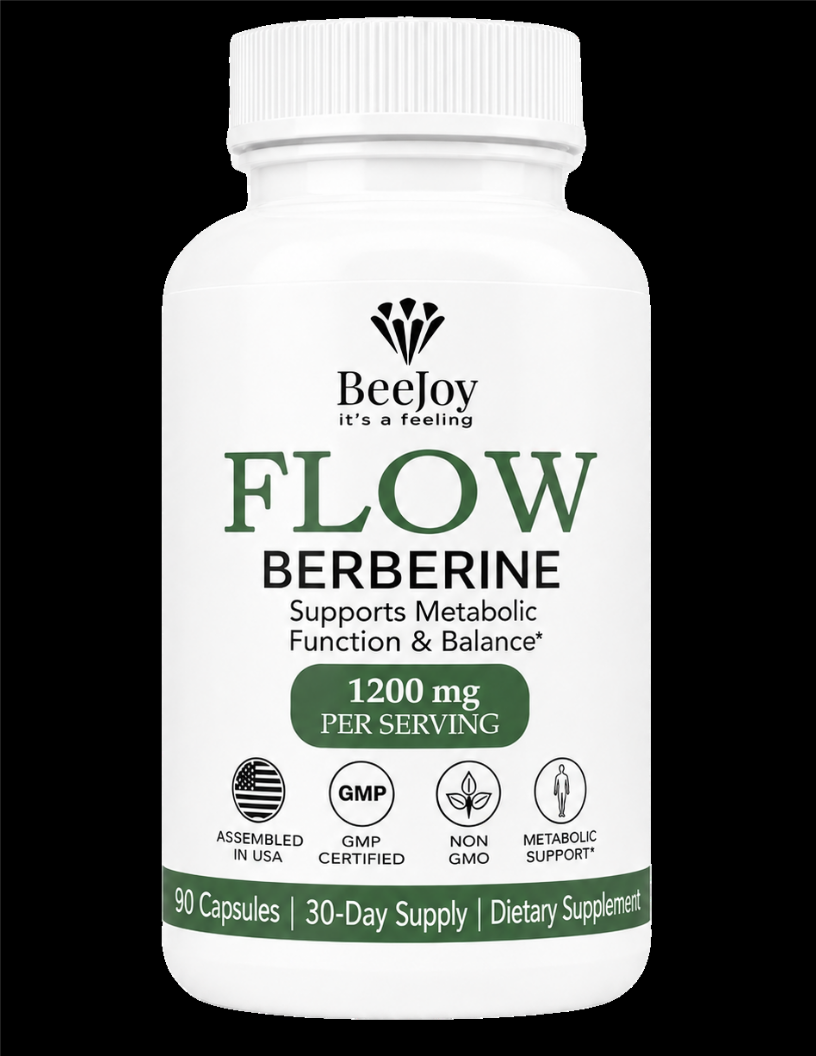
If, after reviewing your situation with a healthcare professional, berberine is suitable for you, you can learn about BeeJoy Flow Berberina and check its composition and labeling.